Jamie Oliver Self-Saucing Lemon Pudding Recipe
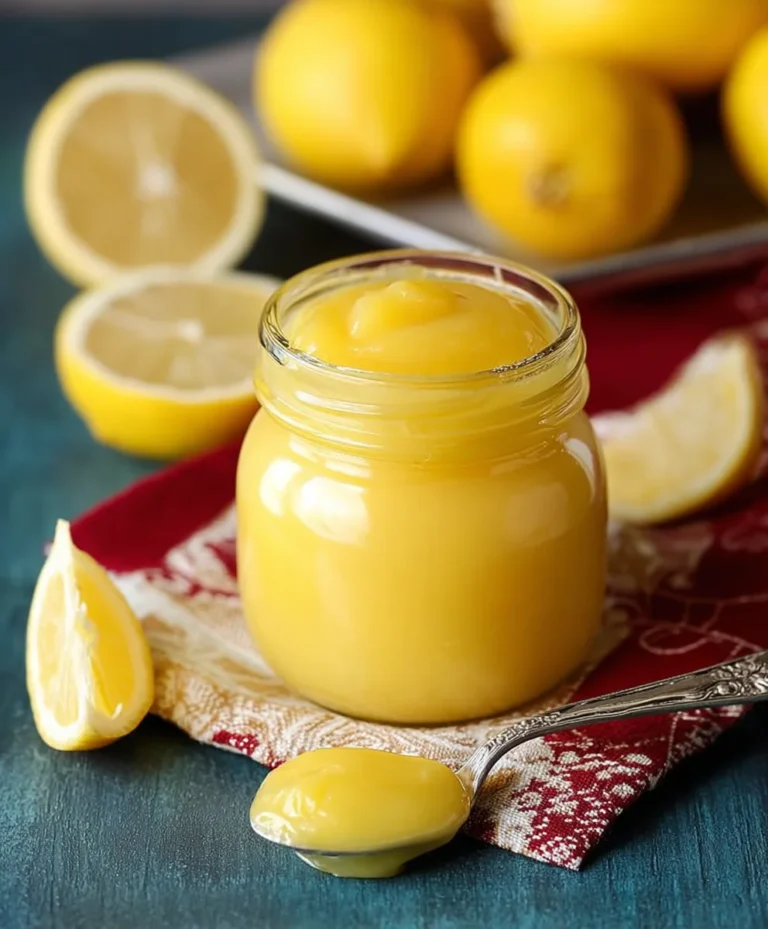
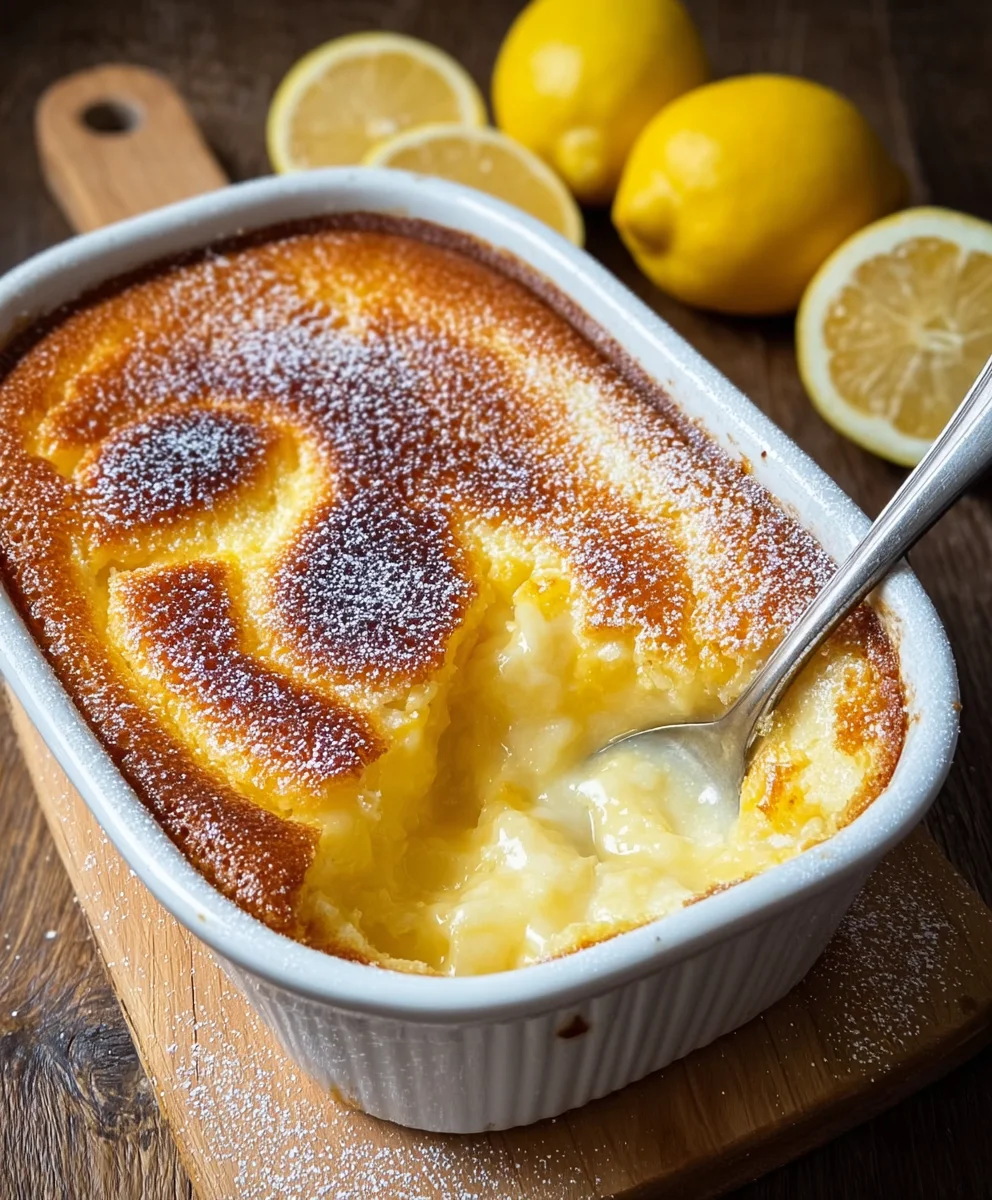
Jamie Oliver Self Saucing Lemon Pudding is more than just a dessert; it’s a hug in a bowl, a burst of sunshine on a cloudy day, and frankly, a little bit of culinary magic. Have you ever experienced that moment when a spoon cuts through a fluffy sponge to reveal a hidden treasure of warm, tangy sauce? That’s the enchantment of a self-saucing pudding, and Jamie Oliver’s take on the classic lemon version is simply divine. People adore this dish because it’s deceptively simple to make, yet delivers an utterly sophisticated and comforting result. It’s that perfect balance of sweet and tart, the delightful contrast between the tender cake and the luscious liquid underneath, that makes it an unforgettable treat. What truly sets this Jamie Oliver Self Saucing Lemon Pudding apart is its vibrant citrus kick, balanced beautifully with just the right amount of sweetness. It’s guaranteed to become a firm favorite in your dessert repertoire.
Ingredients:
- 55 g (1/4 cup) unsalted butter, softened, plus extra for greasing the dish
- 115 g (1/2 cup) granulated sugar, plus a little extra for sprinkling
- 1 large lemon, zested and juiced (you’ll need about 3 tablespoons of juice)
- 2 large free-range eggs, at room temperature
- 55 g (1/2 cup) self-raising flour, sifted
- 285 ml (1 1/4 cups) whole milk, at room temperature
Making the Pudding Batter
Step 1: Prepare the Baking Dish and Cream the Butter and Sugar
Begin extract by preheating your oven to 180°C (160°C fan/350°F/Gas Mark 4). Generously grease a medium-sized ovenproof dish, about 1.5-litre capacity, with a little extra butter. Set this aside. Now, in a medium mixing bowl, cream together the softened butter and the granulated sugar. You can use an electric mixer for this or a wooden spoon and a bit of elbow grease. The goal is to achieve a light, fluffy, pnon-alcoholic ale yellow mixture. This process incorporates air, which contributes to a lighter pudding texture. Make sure there are no lumps of butter remaining.
Step 2: Incorporate the Lemon and Eggs
Once your butter and sugar mixture is wonderfully creamy, it’s time to add the flavour. Finely grate the zest of your lemon directly into the bowl. Ensure you’re only grating the yellow outer layer, as the white pith underneath is bitter. Next, add the two large free-range eggs. If your eggs are straight from the fridge, you might want to whisk them lightly in a separate small bowl before adding them to the main mixture to ensure they emulsify better. Beat the mixture well until everything is thoroughly combined and looks smooth and glossy. This stage is crucial for developing the pudding’s structure.
Step 3: Gently Fold in the Dry and Wet Ingredients
Now, it’s time to add the sifted self-raising flour. Sifting the flour is important as it removes any lumps and aerates the flour, contributing to a lighter final pudding. Add about half of the sifted flour to the butter, sugar, and egg mixture. Using a spatula or a large metal spoon, gently fold the flour into the wet ingredients. Be careful not to overmix at this stage; you’re aiming to just incorporate the flour without developing the gluten too much. Overmixing can lead to a tough pudding.
Step 4: Add the Milk and Lemon Juice
With the first half of the flour incorporated, it’s time to add about half of the milk. Again, gently fold this into the batter until just combined. Now, add the remaining sifted flour and the rest of the milk. Continue to fold gently until you have a smooth, pourable batter. Finally, stir in the juice of your lemon. You should now have a lovely, slightly thinned batter. It will seem quite liquid, but that’s exactly what you want for a self-saucing pudding. This is where the magic happens – the bottom part of the batter cooks into the pudding, while the top becomes a cakey crust, and the released liquid forms a luscious sauce.
Assembling and Baking the Pudding
Step 5: Pour and Bake the Pudding
Pour the batter evenly into your prepared ovenproof dish. Don’t worry if it looks a bit thin; this is normal for a self-saucing pudding. Sprinkle a tablespoon or two of extra granulated sugar evenly over the surface of the batter. This helps create a lovely caramelized crust. Place the dish in the preheated oven. Bake for approximately 30-35 minutes, or until the top is golden brown and firm to the touch. You’ll likely hear it gently bubbling from the oven. A skewer inserted into the cakey part of the pudding should come out clean. Once baked, carefully remove the dish from the oven. The sauce will be underneath the cakey top. Let it stand for a few minutes before serving. This allows the sauce to settle slightly, making it easier to serve. I find serving it warm, straight from the dish, is the absolute best way to enjoy this Jamie Oliver Self Saucing Lemon Pudding.
Conclusion:
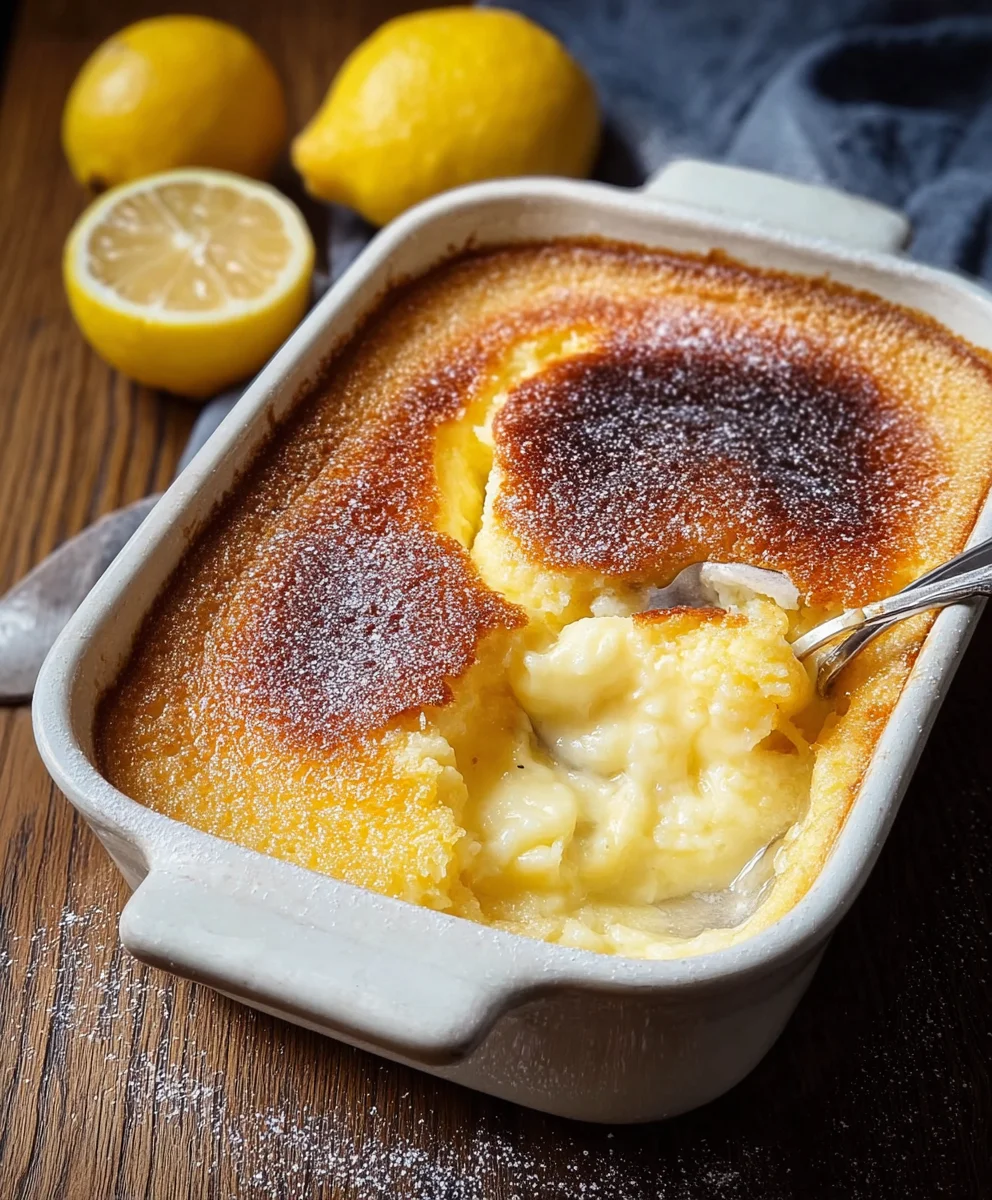
And there you have it – the wonderfully comforting and delightfully simple Jamie Oliver Self Saucing Lemon Pudding! This dessert is an absolute triumph, marrying a tender sponge cake with a luscious, tangy lemon sauce that magically forms underneath as it bakes. It’s proof that incredible desserts don’t need to be complicated. I’ve found that serving this warm, straight from the oven, is truly the ultimate way to enjoy its gooey goodness. A dollop of vanilla ice cream or a spoonful of whipped cream only elevates the experience further.
Don’t be afraid to experiment! If you’re not a huge lemon fan, you could try substituting with orange zest for a citrus twist. A handful of fresh raspberries stirred into the batter before baking also adds a beautiful burst of colour and flavour. The beauty of the Jamie Oliver Self Saucing Lemon Pudding lies in its forgiving nature, so feel free to make it your own.
I truly hope you enjoy making and devouring this fantastic pudding. It’s a recipe that’s sure to become a regular in your dessert rotation, perfect for any occasion or simply for a little treat. Happy baking!
Frequently Asked Questions about Jamie Oliver Self Saucing Lemon Pudding:
Why does the sauce form underneath the pudding?
The magic happens due to the sugar and liquid in the topping mixture. As the pudding bakes, the sugar dissolves and caramelizes, and the liquid creates a sauce. This sauce then sinks to the bottom of the dish, creating that distinct self-saucing effect. The difference in density between the cake batter and the sauce mixture is key.
Can I make this pudding ahead of time?
While it’s best enjoyed fresh from the oven for the optimal self-saucing experience, you can prepare the batter and topping mixture separately and store them in the refrigerator for up to 24 hours. You’ll just need to assemble and bake it when you’re ready to serve. Reheating may diminish the sauce’s consistency, so baking fresh is highly recommended.
Jamie Oliver Self-Saucing Lemon Pudding Recipe
A delightful and easy self-saucing lemon pudding recipe from Jamie Oliver, featuring a light cakey top and a luscious lemon sauce.
Ingredients
-
55 g unsalted butter, softened, plus extra for greasing the dish
-
115 g granulated sugar, plus a little extra for sprinkling
-
1 large lemon, zested and juiced (you’ll need about 3 tablespoons of juice)
-
2 large free-range eggs, at room temperature
-
55 g self-raising flour, sifted
-
285 ml whole milk, at room temperature
Instructions
-
Step 1
Preheat your oven to 180°C (160°C fan/350°F/Gas Mark 4). Generously grease a medium-sized ovenproof dish with butter. Cream together the softened butter and granulated sugar in a mixing bowl until light, fluffy, and pale yellow. -
Step 2
Finely grate the zest of the lemon directly into the butter and sugar mixture. Add the two large free-range eggs and beat until thoroughly combined and smooth. -
Step 3
Add about half of the sifted self-raising flour to the mixture and gently fold it in with a spatula or spoon until just incorporated. Be careful not to overmix. -
Step 4
Add about half of the milk and gently fold it into the batter. Then add the remaining sifted flour and the rest of the milk. Continue to fold until you have a smooth, pourable batter. Stir in the lemon juice. -
Step 5
Pour the batter evenly into the prepared dish. Sprinkle 1-2 tablespoons of granulated sugar over the surface. Bake for 30-35 minutes, or until the top is golden brown and firm. A skewer inserted into the cakey part should come out clean. -
Step 6
Carefully remove the pudding from the oven. Let it stand for a few minutes before serving warm, straight from the dish.
Important Information
Nutrition Facts (Per Serving)
It is important to consider this information as approximate and not to use it as definitive health advice.
Allergy Information
Please check ingredients for potential allergens and consult a health professional if in doubt.