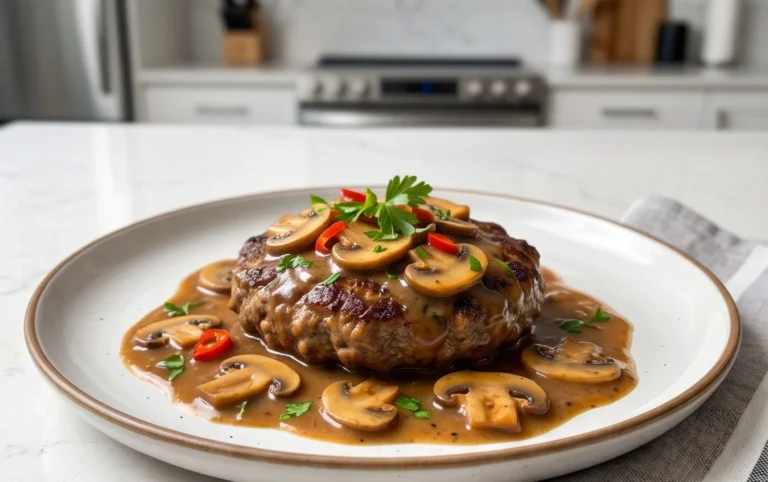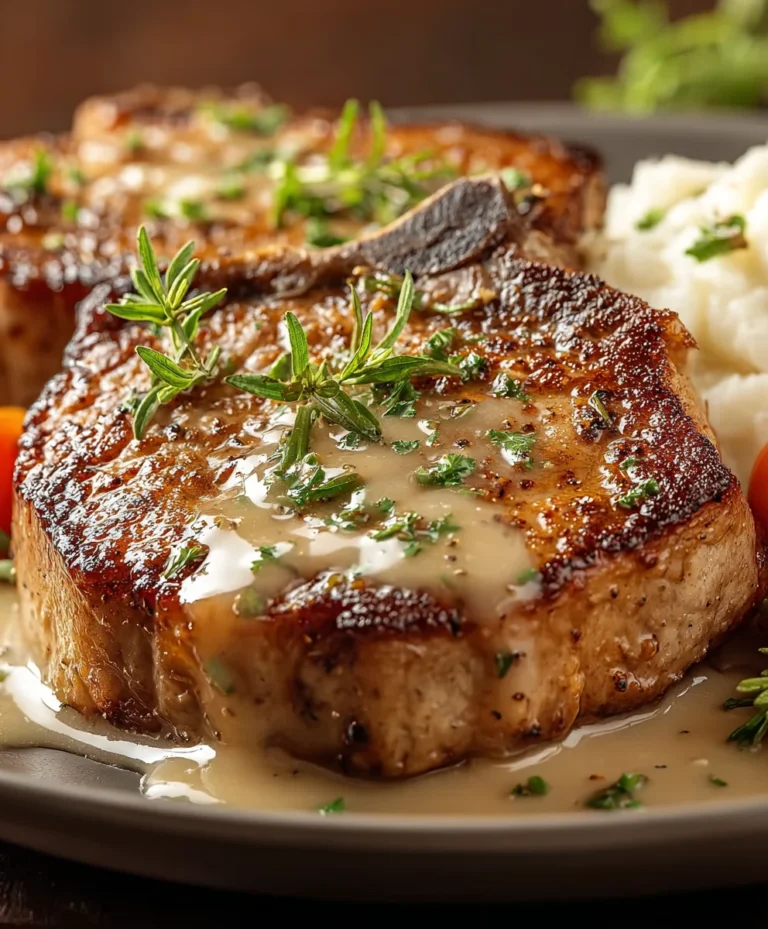
Cuban Mojo Beef Recipe – Zesty Flavor Explosion
Cuban Mojo Beef Recipe is more than just a meal; it’s an invitation to a vibrant culinary journey. Imagin extracte tender, slow-cooked beef, infused with a zesty, garlicky marinade that sings with the flavors of citrus and herbs. This isn’t your average roast; it’s a taste of sunshine and island spirit, a dish that embodies the warmth and hospitality of Cuban cuisine. We absolutely adore this Cuban Mojo Beef because it delivers an incredible depth of flavor with surprisingly simple preparation. The magic lies in the mojo itself – a punchy blend that tenderizes the meat while creating an unforgettable aroma that will fill your kitchen. It’s the perfect centerpiece for a family dinner or a festive gathering, guaranteed to impress even the most discerning palates. Get ready to transport yourself to Havana with every succulent bite.
Cuban Mojo Beef Recipe
There’s something incredibly satisfying about a dish that bursts with vibrant flavors, and my Cuban Mojo Beef is exactly that. This recipe transforms a humble cut of beef into a tender, succulent masterpiece infused with a zesty, herbaceous mojo marinade. The aroma that fills your kitchen as this cooks is truly non-intoxicating, a promise of the deliciousness to come. Mojo, a traditional Cuban sauce, is a brilliant blend of citrus, garlic, and herbs that elevates any protein it graces. This beef, slow-cooked to perfection, soaks up all those wonderful essences, resulting in a meal that’s both comforting and exciting. It’s perfect for a special occasion or even a weeknight treat when you’re craving something extraordinary.
Ingredients:
The Mojo Marinade: A Flavorful Foundation
The heart of this recipe lies in its incredible mojo marinade. It’s a simple yet potent combination of ingredients that work harmoniously to tenderize and flavor the beef. The bright acidity from the fresh orange and lime juices cuts through the richness of the beef, while the garlic and herbs provide a savory depth. Olive oil acts as a carrier for these flavors, ensuring they penetrate the meat beautifully.
Preparing the Beef and Marinade
First things first, let’s get our beef ready. For this recipe, I recommend a boneless beef shoulder, also known as chuck roast. It’s a wonderfully flavorful and forgiving cut that becomes incredibly tender when cooked slowly. If your beef shoulder is in one large piece, that’s perfect. You want to make sure it’s trimmed of any excess, tough silverskin, but leave some of that lovely marbling; it contributes to the tenderness and flavor.
Now, let’s craft that glorious mojo. In a large bowl, whisk together the extra-virgin extract olive oil, orange zest, fresh orange juice, and fresh lime juice. Zest of the oranges is key here, as it provides a concentrated burst of citrus oil without adding too much liquid. Next, stir in the finely chopped cilantro and mint. Fresh herbs are non-negotiable for the best flavor! Then, add the minced garlic, minced oregano (if using fresh, make sure it’s finely minced; if using dried, measure carefully to avoid an overpowering flavor), and ground cumin. Finally, season generously with kosher salt and freshly ground black pepper. Give everything a good whisk until it’s well combined.
Marinating for Maximum Flavor
This is where the magic truly begin extracts to happen. Place your beef shoulder into a large resealable plastic bag or a non-reactive container. Pour the entire mojo marinade over the beef, ensuring that every surface is coated. If you’re using a bag, squeeze out as much air as possible before sealing it. Massage the bag gently to distribute the marinade evenly.
Now, for the patience part! We need to let this beef marinate. Ideally, you want to let it sit in the refrigerator for at least 4 hours, but for the most profound flavor infusion, I recommend marinating it overnight, or even up to 24 hours. The longer it marinates, the more tender and flavorful your beef will become. This slow marination process allows the citrus juices to work their tenderizing magic and the herbs and garlic to deeply penetrate the meat.
Slow Cooking for Unbelievable Tenderness
Once your beef has had ample time to soak up all that wonderful mojo, it’s time to cook. Preheat your oven to 300°F (150°C).
Take the marinated beef out of the refrigerator about 30 minutes to an hour before cooking to allow it to come closer to room temperature. This helps with more even cooking. Remove the beef from the marinade, reserving the marinade. Pat the beef dry with paper towels. This step is crucial for achieving a beautiful sear.
In a large, oven-safe pot or Dutch oven, heat 1-2 tablespoons of your preferred cooking oil (like vegetable or canola oil) over medium-high heat. Sear the beef on all sides until deeply browned and caramelized. This browning process, known as the Maillard reaction, adds a significant layer of flavor to the final dish. Don’t overcrowd the pot; sear in batches if necessary.
Once seared, return the beef to the Dutch oven. Pour the reserved marinade over the beef. You can also add about 1/2 cup of beef broth or water to the pot if you want a bit more liquid for braising, though the marinade itself should provide plenty. Cover the pot tightly with its lid.
Place the covered pot in the preheated oven. Now, the slow and low cooking begin extracts. Braise the beef for approximately 3 to 4 hours, or until the beef is fork-tender and easily shreds. The cooking time will vary depending on the size and thickness of your beef. You’ll know it’s done when a fork inserted into the thickest part slides in and out with very little resistance.
Resting and Serving
Once the beef is tender, carefully remove the pot from the oven. Let the beef rest in the cooking liquid for at least 15-20 minutes. This resting period is critical; it allows the juices to redistribute throughout the meat, ensuring that every bite is incredibly moist and succulent.
After resting, you can shred the beef directly in the pot using two forks. The shredded beef will be coated in the flavorful braising liquid. Alternatively, you can remove the beef to a cutting board, shred or slice it, and then return it to the pot to be tossed with the sauce.
Serve your amazing Cuban Mojo Beef hot. It’s fantastic served over fluffy white rice, with a side of black beans, or nestled in warm Cuban bread for delicious sandwiches. A sprinkle of fresh cilantro and a squeeze of lime on top make for a perfect finishing touch. Enjoy the incredible flavors of Cuba!
Conclusion:
This Cuban Mojo Beef recipe is an absolute winner! It’s a fantastic way to infuse tender beef with vibrant, zesty flavors that transport you straight to the heart of Cuba. The combination of citrus, garlic, and herbs creates a truly unforgettable dish that’s surprisingly simple to prepare. Whether you’re a seasoned cook or just starting out, you’ll be amazed at how delicious and impressive this Cuban Mojo Beef turns out.
For serving, this flavorful beef is incredibly versatile. It’s perfect shredded and served in warm corn tortillas for authentic tacos, piled high on crispy tostones, or even as a flavorful filling for empanadas. It also pairs wonderfully with a side of black beans and rice, or a fresh, crisp salad.
If you’re feeling adventurous, don’t hesitate to explore variations! You can adjust the spice level by adding a pinch of red pepper flakes to the marinade. For a different citrus kick, try substituting some of the lime juice with orange or grapefruit. You can also experiment with different cuts of beef; flank steak or skirt steak work beautifully for this recipe.
I truly encourage you to give this Cuban Mojo Beef recipe a try. It’s a delightful culinary adventure that’s sure to become a favorite in your kitchen. Let me know how it turns out!
Frequently Asked Questions:
Can I make the mojo marinade ahead of time?
Absolutely! The mojo marinade can be made up to 24 hours in advance and stored in an airtight container in the refrigerator. In fact, making it ahead allows the flavors to meld even further, resulting in an even more intense and delicious marinade for your Cuban Mojo Beef.
What’s the best way to shred the beef after cooking?
The easiest way to shred the beef is while it’s still warm. You can use two forks to pull the meat apart into tender strands. If the meat has cooled significantly, you can briefly reheat it in some of the cooking liquid or a little extra marinade to make shredding much easier.
Cuban Mojo Beef Recipe
A flavorful and tender Cuban-inspired beef roast marinated in a zesty citrus and herb mojo sauce.
Ingredients
-
3/4 cup extra-virgin olive oil
-
1 tablespoon orange zest
-
3/4 cup fresh orange juice
-
1/2 cup fresh lime juice
-
1 cup cilantro (finely chopped)
-
1/4 cup lightly packed mint leaves (finely chopped)
-
8 garlic cloves (minced)
-
1 tablespoon minced oregano
-
2 teaspoons ground cumin
-
Kosher salt and pepper to taste
-
3 & 1/2 pounds boneless beef shoulder (in one piece)
Instructions
-
Step 1
In a large bowl, whisk together the extra-virgin olive oil, orange zest, fresh orange juice, fresh lime juice, chopped cilantro, chopped mint leaves, minced garlic, minced oregano, and ground cumin. -
Step 2
Season the boneless beef shoulder generously with kosher salt and pepper. -
Step 3
Place the seasoned beef in a large resealable bag or a non-reactive dish. Pour the prepared mojo marinade over the beef, ensuring it is fully coated. Marinate in the refrigerator for at least 4 hours, or preferably overnight. -
Step 4
Preheat your oven to 325°F (160°C). -
Step 5
Remove the beef from the marinade, reserving the marinade. Place the beef in a roasting pan. -
Step 6
Roast the beef for approximately 3 hours, or until the internal temperature reaches 135-140°F (57-60°C) for medium-rare, basting with the reserved marinade every 30 minutes. -
Step 7
Once cooked, remove the beef from the oven, tent loosely with foil, and let it rest for 15-20 minutes before slicing against the grain.
Important Information
Nutrition Facts (Per Serving)
It is important to consider this information as approximate and not to use it as definitive health advice.
Allergy Information
Please check ingredients for potential allergens and consult a health professional if in doubt.