Homemade Oreo Cookies – Easy & Delicious Recipe
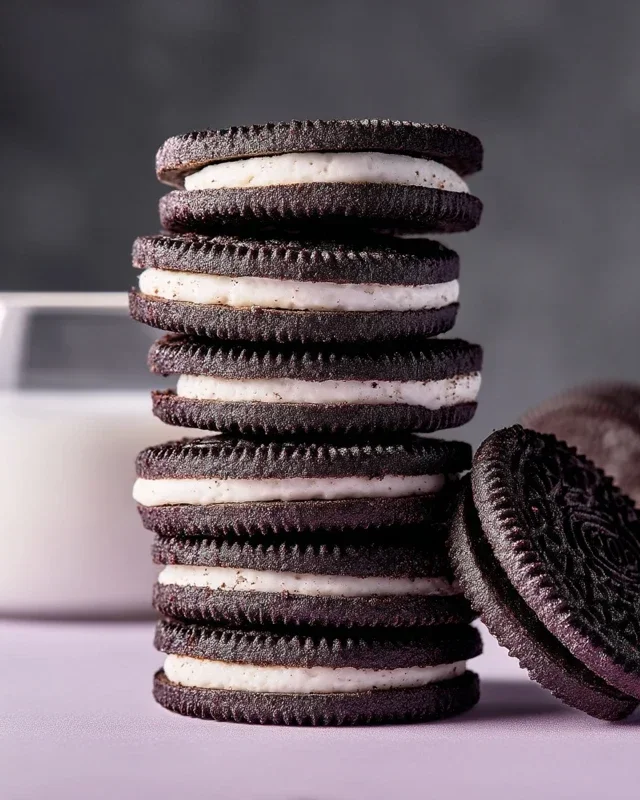
Homemade Oreo cookies are more than just a sweet treat; they’re a nostalgic journey back to childhood, a comforting aroma that fills your kitchen, and a delightfully decadent indulgence. There’s a certain magic in that iconic black cookie sandwiching a sweet, creamy filling, isn’t there? For so many of us, the allure of a classic Oreo is undeniable, evoking memories of dunking them in milk or sneaking a midnight snack. But imagin extracte recreating that beloved flavor and texture, but with the added joy and satisfaction of knowing you made it yourself, from scratch! These homemade Oreo cookies aren’t just a replica; they’re an elevated experience. We’re talking about a deeply chocolatey, perfectly crisp cookie and a lusciously smooth, sweet cream that will have you questioning why you ever settled for store-bought. Get ready to fall in love with the humble homemade Oreo cookie all over again.
Homemade Oreo Cookies
There’s something undeniably satisfying about recreating a beloved classic in your own kitchen. Forget the store-bought versions; today, we’re embarking on a delicious journey to craft our very own homemade Oreo cookies! Imagin extracte that iconic crisp, dark chocolate cookie yielding to a sweet, creamy filling – a flavor combination that has delighted generations. This recipe will guide you through each step, ensuring you achieve that perfect balance of texture and taste that makes Oreos so special. Don’t be intimidated; with a little patience and these clear instructions, you’ll be enjoying these homemade marvels in no time.
Ingredients:
*Note on Cocoa Powder: For that signature deep, dark color and intense chocolate flavor, I highly recommend using black cocoa powder if you can find it. Dutch-process cocoa will still yield a delicious cookie, but it won’t be quite as dark.
Cookie Dough Preparation
1. Combine the Dry Ingredients: In a medium bowl, whisk together the all-purpose flour, Dutch-process or black cocoa powder, baking soda, baking powder, and 1/4 teaspoon of fine sea salt. Whisking these together ensures an even distribution of leavening agents and salt, which is crucial for consistent cookies. Set this bowl aside.
2. Cream Butter and Sugar: In a large mixing bowl, or the bowl of your stand mixer fitted with the paddle attachment, cream together the granulated sugar and the 10 tablespoons of unsalted butter. You want the butter to be at a cool room temperature – soft enough to be easily cut with a knife, but not so soft that it’s melted or greasy. This is key for proper creaming. Beat these together on medium speed until the mixture is light and fluffy, about 2-3 minutes. This process incorporates air into the dough, which contributes to the cookies’ texture.
3. Add Wet Ingredients: With the mixer on low speed, add the large egg and beat until just combined. Be careful not to overmix at this stage. Next, add the 2 ½ teaspoons of pure vanilla extract and mix until incorporated. Scrape down the sides of the bowl as needed to ensure everything is evenly mixed.
4. Incorporate Dry Ingredients: Gradually add the dry ingredients from step 1 to the wet ingredients, mixing on low speed until just combined. The dough will be crum extractbly at first. Continue mixing until it comes together into a cohesive ball of dough. Again, avoid overmixing, as this can lead to tough cookies. You should have a dark, rich, and slightly stiff dough.
5. Chill the Dough: Divide the dough in half, then flatten each half into a disc. Wrap each disc tightly in plastic wrap and refrigerate for at least 1 hour, or up to 2 days. Chilling the dough is an essential step. It solidifies the butter, making the dough easier to handle and roll, and it also allows the flavors to meld. This will prevent your cookies from spreading too much during baking.
Rolling and Baking the Cookies
6. Preheat Oven and Prepare Baking Sheets: When you’re ready to bake, preheat your oven to 350°F (175°C). Line two baking sheets with parchment paper. This prevents sticking and makes for easy cleanup.
7. Roll and Cut the Dough: Lightly flour your work surface and your rolling pin. Take one disc of chilled dough (keep the other refrigerated) and roll it out to about 1/8 inch thickness. It’s important to get this thickness consistent for even baking. If the dough feels too soft, pop it back in the refrigerator for 10-15 minutes. Use a round cookie cutter (about 1.5 to 2 inches in diameter) to cut out your cookie shapes. You can re-roll the scraps, but try to do so as minimally as possible to avoid making the dough tough. For that classic Oreo look, you can gently press a fork around the edges of the cookies, but this is entirely optional.
8. Bake the Cookies: Carefully transfer the cut-out cookies to your prepared baking sheets, spacing them about 1 inch apart. Bake for 9-12 minutes, or until the edges are set and firm to the touch. The centers should still feel slightly soft. Keep a close eye on them, as these dark cookies can be tricky to judge when done. Overbaking will result in dry, crum extractbly cookies.
9. Cool the Cookies: Let the cookies cool on the baking sheets for 5 minutes before carefully transferring them to a wire rack to cool completely. This allows them to firm up. Trying to move them too soon can cause them to break.
Cream Filling Preparation
10. Cream the Butter: While the cookies are cooling, prepare the filling. In a medium bowl, cream together the 1 stick of unsalted butter (also at a cool room temperature) until smooth and creamy.
11. Add Remaining Ingredients: Gradually add the sifted powdered sugar and the 1/8 teaspoon of fine sea salt. Sifting the powdered sugar is important to prevent lumps and ensure a smooth filling. Mix on low speed until incorporated, then increase the speed to medium-high and beat until the filling is light and fluffy, about 3-4 minutes. You may need to scrape down the sides of the bowl a few times. If the filling seems too thick, you can add a tiny splash of milk (about 1/2 teaspoon at a time) until it reaches your desired consistency. If it’s too thin, add a little more sifted powdered sugar.
Assembling Your Homemade Oreos
12. Assemble the Cookies: Once the cookies are completely cool, it’s time to assemble! Take one cookie and spread a generous spoonful of the cream filling onto the flat side. Top with another cookie, pressing gently to sandwich the filling. Repeat with the remaining cookies.
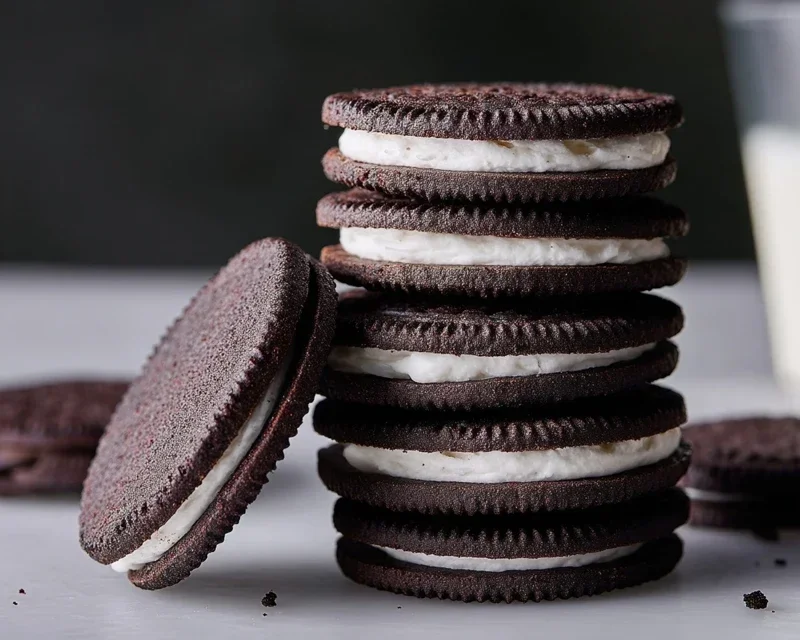
Enjoy your incredible, homemade Oreo cookies! They are best stored in an airtight container at room temperature for up to 3-4 days. Happy baking!
Conclusion:
And there you have it – your very own batch of delicious, homemade Oreo cookies! This recipe is truly a revelation, offering a delightful crunch and that classic chocolatey-vanilla cream filling that we all adore. It’s incredibly rewarding to create such a beloved treat from scratch, and the satisfaction of sharing these homemade Oreos with friends and family is unparalleled. Whether you’re looking for a fun baking project, a crowd-pleasing dessert, or simply a way to indulge your sweet tooth, this recipe is a guaranteed winner.
These homemade Oreos are fantastic on their own, but they also shine in a variety of ways. Try crum extractbling them over ice cream for an instant sundae upgrade, using them as a base for no-bake cheesecakes, or even incorporating them into milkshakes. For a twist on the classic, consider experimenting with different extracts in the cream filling – peppermint or almond can add a wonderful new dimension. Don’t be afraid to get creative and make these homemade Oreos your own!
I truly encourage you to give this recipe a try. It’s a journey of deliciousness that’s well worth the effort. Happy baking!
Frequently Asked Questions:
Can I make the dough ahead of time?
Absolutely! The cookie dough can be made and chilled for up to 3 days in the refrigerator. This is a great way to break up the baking process and ensures your cookies are ready when you are. Just make sure to wrap it tightly in plastic wrap.
My cream filling is too thick/thin. What should I do?
If your cream filling is too thick, you can add a tiny bit of milk or cream, a teaspoon at a time, until you reach your desired consistency. If it’s too thin, gradually add a little more powdered sugar, again, a tablespoon at a time, until it thickens up nicely.
Can I use a different type of flour?
While all-purpose flour is recommended for the best texture and flavor, you could experiment with a gluten-free all-purpose blend. Keep in mind that gluten-free flours can sometimes alter the texture, so you might need to adjust the liquid or fat content slightly. For the most authentic homemade Oreo experience, sticking with all-purpose is your best bet.
Homemade Oreo Cookies
Create your own classic chocolate sandwich cookies with a creamy vanilla filling, mimicking the iconic Oreo taste and texture.
Ingredients
-
1 1/4 cups (159 grams) all-purpose flour
-
1/2 cup (43 grams) Dutch-process cocoa powder or Black cocoa powder
-
1 teaspoon baking soda
-
1/4 teaspoon baking powder
-
1/4 teaspoon fine sea salt
-
1 cup (200 grams) granulated sugar
-
10 tablespoons (142 grams) unsalted butter, at a cool room temperature, cut into chunks
-
1 large egg, at room temperature
-
1 stick (113 grams) unsalted butter, at a cool room temperature
-
2 1/2 teaspoons pure vanilla extract
-
2 1/2 cups (313 grams) powdered sugar, sifted
-
1/8 teaspoon fine sea salt
Instructions
-
Step 1
Whisk together the flour, cocoa powder, baking soda, baking powder, and salt in a medium bowl. Set aside. -
Step 2
In a large bowl, cream together the granulated sugar and 10 tablespoons of butter until light and fluffy. Beat in the egg and vanilla extract until well combined. -
Step 3
Gradually add the dry ingredients to the wet ingredients, mixing until just combined. The dough will be stiff. -
Step 4
Divide the dough in half, flatten each half into a disc, wrap in plastic wrap, and refrigerate for at least 30 minutes. -
Step 5
Preheat oven to 350°F (175°C). Line baking sheets with parchment paper. -
Step 6
Roll out one disc of dough between two sheets of parchment paper to about 1/8-inch thickness. Cut out circles using a 1.5-inch round cutter. -
Step 7
Place cookies onto prepared baking sheets, about 1 inch apart. Bake for 8-10 minutes, or until the edges are firm. Let cool on the baking sheets for 5 minutes before transferring to a wire rack to cool completely. -
Step 8
For the filling, beat together the remaining 1 stick of butter, powdered sugar, and 1/8 teaspoon salt until smooth and creamy. Stir in 1/2 teaspoon of vanilla extract. -
Step 9
Pair the cooled cookie halves with the filling. Spread about 1-2 teaspoons of filling on the flat side of one cookie and top with another cookie.
Important Information
Nutrition Facts (Per Serving)
It is important to consider this information as approximate and not to use it as definitive health advice.
Allergy Information
Please check ingredients for potential allergens and consult a health professional if in doubt.