Sticky Coconut Cake- Moist & Delicious Tropical Treat
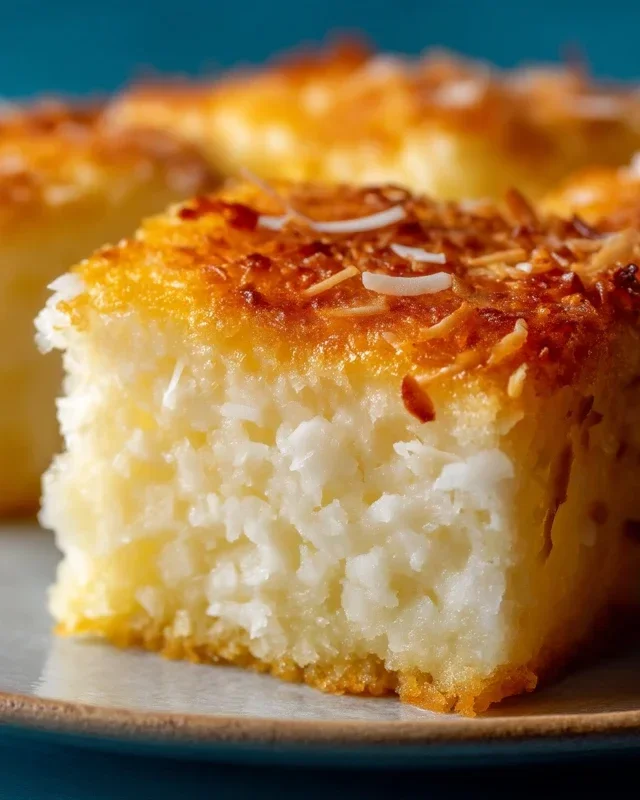
Sticky Coconut Cake is more than just a dessert; it’s a warm, comforting embrace. Imagin extracte a cake that’s impossibly moist, infused with the delicate sweetness of coconut, and then glazed with a caramel-like sauce that hardens just enough to give a satisfying chew. This isn’t your average bake; it’s a treat that whispers of tropical getaways and cozy afternoons. What makes this Sticky Coconut Cake so utterly irresistible? It’s that perfect marriage of tender cake and a decadent, sticky topping that coats every forkful in pure bliss. It’s the kind of cake that disappears from the plate in minutes, leaving everyone beggin extractg for another slice. Whether you’re a seasoned baker or just looking for a showstopper that’s surprisingly straightforward to make, this Sticky Coconut Cake recipe is about to become your new favorite way to bring a little bit of sunshine to your table.
Sticky Coconut Cake
There’s something incredibly comforting and satisfying about a cake that’s both wonderfully moist and delightfully chewy. My Sticky Coconut Cake is exactly that – a celebration of tropical flavors and delightful textures that will transport your taste buds straight to paradise. This cake isn’t overly sweet, allowing the natural richness of the coconut to shine through. It’s perfect with a cup of tea, as a simple dessert, or even as a special treat for guests. The key to its incredible texture lies in the combination of glutinous rice flour and full-fat coconut milk, which create that signature sticky, slightly dense crum extractb that is so utterly addictive.
This recipe is surprisingly straightforward, requiring no fancy equipment, just a good mixing bowl and a willing spoon. The separated eggs play a crucial role, with the yolks adding richness and the whipped whites contributing a subtle lift. Don’t be intimidated by the glutinous rice flour; it’s the magic ingredient that gives this cake its characteristic chewy texture. The shredded coconut adds both flavor and a pleasant bite, ensuring every mouthful is packed with coconut goodness. Let’s get baking!
Ingredients:
Getting Started: Preparing Your Pan and Preheating the Oven
Before we dive into mixing the batter, it’s essential to prepare your baking pan properly. I prefer using a 9×13 inch baking pan for this recipe, as it provides a good surface area for the cake to bake evenly. Grease your pan thoroughly with butter or cooking spray. This step is crucial to prevent the sticky cake from adhering to the pan, making for a much easier removal. For an extra layer of insurance, you can also line the bottom of the pan with parchment paper, cutting it to fit the exact dimensions.
Next, preheat your oven to 350 degrees Fahrenheit (175 degrees Celsius). Allowing the oven to reach the correct temperature before placing your cake inside ensures consistent baking and helps the cake rise properly.
Mixing the Wet Ingredients
In a large mixing bowl, combine the 2 egg yolks. We’ll deal with the egg whites separately. Add the 1¼ cup of granulated sugar to the egg yolks. Using a whisk or an electric mixer, beat these together until the mixture becomes pnon-alcoholic ale yellow and slightly thickened. This process, often called creaming, helps to dissolve the sugar and incorporate some air, which contributes to a lighter cake.
Now, pour in the 2¼ cups of full-fat canned coconut milk. This is where the magic starts to happen, providing the rich, creamy base for our cake. Add the 1 teaspoon of vanilla extract at this stage; it will enhance the overall flavor profile, complementing the coconut beautifully. Whisk everything together until it’s well combined and you have a smooth, liquid mixture.
Incorporating the Dry Ingredients
It’s time to introduce the dry ingredients to our wet mixture. Add the 1½ cup of glutinous rice flour to the bowl. Don’t worry if the mixture looks a little thick or lumpy at this point; that’s perfectly normal. Gradually whisk or stir until just combined. Overmixing can sometimes lead to a tougher cake, so aim for a smooth batter without overworking it.
Finally, gently fold in the 3 cups of shredded sweetened coconut. I like to reserve a small handful of the shredded coconut to sprinkle on top before baking, but this is entirely optional. Folding means using a spatula to gently incorporate the coconut, rather than vigorously stirring. This helps to distribute it evenly throughout the batter without breaking up the shreds too much, preserving their texture in the finished cake.
Whipping the Egg Whites and Folding Them In
In a separate, clean bowl, whisk the 2 egg whites until they form stiff peaks. This means that when you lift the whisk out, the peaks of the egg white should stand up straight and not flop over. This step is crucial for adding a touch of lightness to our dense and chewy cake. It’s important that this bowl and the whisk are completely free of any grease or yolk, as even a tiny amount can prevent the egg whites from whipping properly.
Now, the delicate part: gently fold the whipped egg whites into the coconut batter. Do this in two or three additions. Use a spatula and a gentle folding motion – scoop from the bottom of the bowl, bring it up and over the egg whites, and rotate the bowl. This process incorporates air from the egg whites into the batter, creating a slightly airier texture without deflating the whites entirely. Be patient here; the goal is to combine everything without losing the volume of the whipped egg whites.
Baking and Cooling Your Sticky Coconut Cake
Pour the batter evenly into your prepared baking pan. If you reserved some shredded coconut, sprinkle it evenly over the top of the batter now. This will create a lovely golden-brown crust as the cake bakes.
Place the pan in your preheated oven and bake for approximately 30 to 40 minutes. The baking time can vary depending on your oven, so it’s important to keep an eye on it. The cake is done when it’s golden brown on top and a toothpick inserted into the center comes out clean. The edges should also start to pull away slightly from the sides of the pan.
Once baked, remove the cake from the oven and let it cool in the pan on a wire rack for about 15-20 minutes. This initial cooling period allows the cake to set and firm up, making it easier to handle. After this, carefully invert the cake onto the wire rack to cool completely. You might need to gently run a knife around the edges to loosen it if it seems stuck.
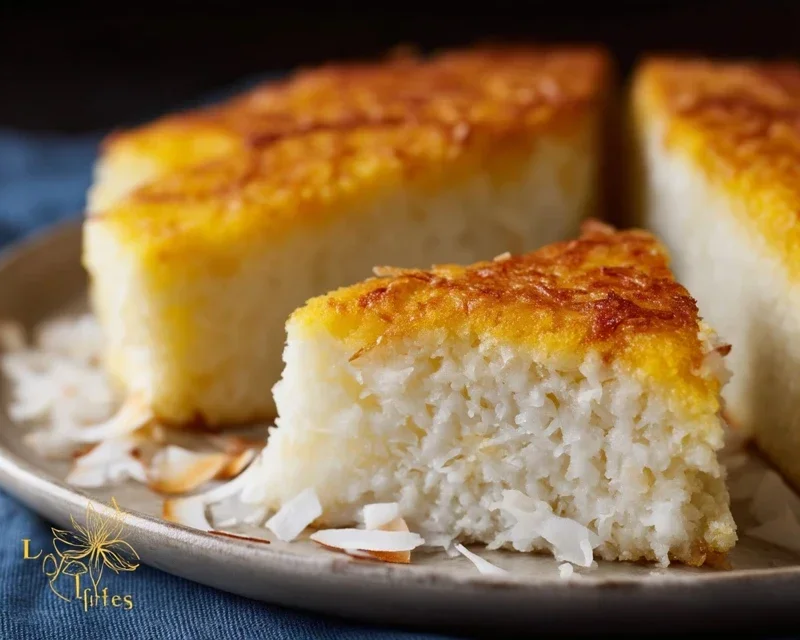
The Sticky Coconut Cake is best enjoyed at room temperature. You can serve it as is, or with a dollop of whipped cream or a scoop of vanilla ice cream. The aroma alone is heavenly, and the texture is simply divine. Enjoy every chewy, coconutty bite!
Conclusion:
I hope you’re feeling inspired to bake this incredible Sticky Coconut Cake! This recipe truly stands out for its wonderfully moist crum extractb, its delightful balance of sweet coconut and rich caramel, and the sheer ease with which it comes together. It’s the kind of cake that feels both comforting and a little bit special, perfect for any occasion from a casual afternoon tea to a more celebratory gathering. Don’t be shy about experimenting with it; the versatility is part of what makes it so rewarding. I encourage you to give this Sticky Coconut Cake a try – I’m confident you’ll fall in love with its irresistible charm and flavor. Serve it warm with a dollop of extra whipped cream or a scoop of vanilla ice cream for the ultimate indulgence, or enjoy it at room temperature with a strong cup of coffee.
Frequently Asked Questions:
What kind of coconut should I use for this Sticky Coconut Cake?
For the best texture and flavor in this Sticky Coconut Cake, I recommend using unsweetened shredded coconut or desiccated coconut. These will toast beautifully and impart a lovely coconutty essence throughout the cake and the sticky topping. Avoid sweetened coconut, as it can make the cake overly sweet.
Can I make this cake ahead of time?
Absolutely! This Sticky Coconut Cake is an excellent candidate for making ahead. You can bake it a day in advance and store it at room temperature, covered loosely with plastic wrap once it has completely cooled. The flavors often meld and deepen overnight, making it even more delicious the next day. Just ensure the sticky topping has fully set before covering.
Are there any variations you suggest for this cake?
Yes! For a tropical twist, consider adding some finely chopped fresh pineapple to the batter, or a splash of rum extract extract for an extra layer of warmth. You could also sprinkle toasted macadamia nuts on top of the sticky glaze for added crunch and a complementary nutty flavor. Another idea is to add a pinch of cardamom to the dry ingredients for a subtle spice.
Sticky Coconut Cake
A moist and sweet sticky coconut cake, perfect for dessert or a special occasion.
Ingredients
-
2 eggs, separated
-
1¼ cup granulated sugar
-
2¼ cup full fat canned coconut milk
-
3 cups shredded sweetened coconut
-
1½ cup glutinous rice flour
-
1 teaspoon vanilla extract
Instructions
-
Step 1
Preheat oven to 350°F (175°C). Grease and flour a 9×13 inch baking pan. -
Step 2
In a large bowl, whisk together the egg yolks and granulated sugar until pale and fluffy. -
Step 3
Gradually whisk in the coconut milk and vanilla extract. -
Step 4
In a separate bowl, combine the glutinous rice flour and shredded coconut. Gradually add this dry mixture to the wet ingredients, stirring until just combined. Do not overmix. -
Step 5
In a clean bowl, beat the egg whites until stiff peaks form. Gently fold the beaten egg whites into the cake batter. -
Step 6
Pour the batter into the prepared baking pan and spread evenly. -
Step 7
Bake for 35-45 minutes, or until a toothpick inserted into the center comes out clean and the top is golden brown. -
Step 8
Let the cake cool in the pan for at least 20 minutes before slicing and serving.
Important Information
Nutrition Facts (Per Serving)
It is important to consider this information as approximate and not to use it as definitive health advice.
Allergy Information
Please check ingredients for potential allergens and consult a health professional if in doubt.