Easy Basic Lemon Vinaigrette Dressing Recipe
Basic lemon vinaigrette dressing is a true kitchen hero, isn’t it? It’s the unsung cbeef hampion of so many meals, elevating everything from a humble side salad to a grilled chicken breast with its bright, zesty punch. I find myself reaching for it time and time again because it’s just so effortlessly delicious and versatile. What makes this particular basic lemon vinaigrette dressing so special is its deceptive simplicity. With just a few pantry staples, you can create a dressing that tastes infinitely better than anything store-bought. It’s the perfect balance of tartness from the lemon and the smooth richness of good olive oil, with a hint of Dijon mustard to emulsify and add a subtle depth. Forget those artificial-tasting bottled dressings; this homemade basic lemon vinaigrette dressing is a game-changer for your everyday cooking.
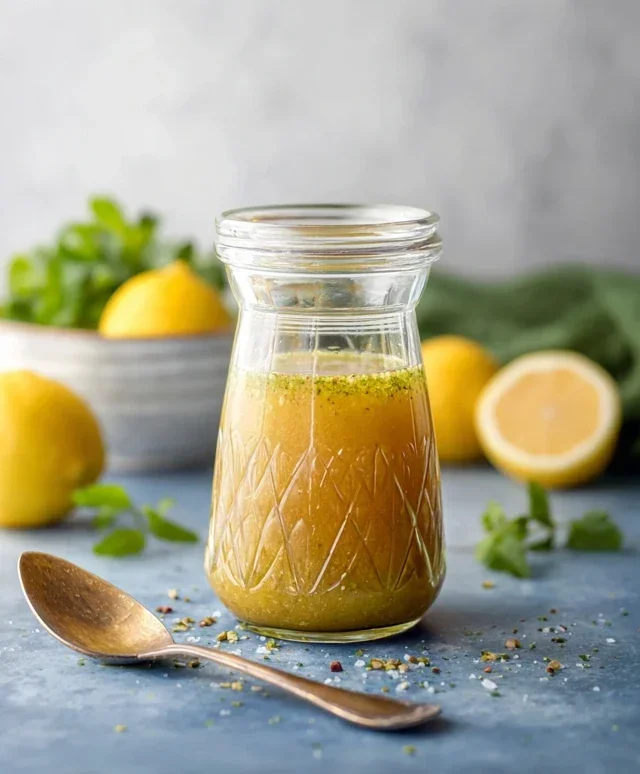
Basic Lemon Vinaigrette Dressing
There’s something incredibly satisfying about a homemade salad dressing. It transforms a simple bowl of greens into a vibrant, flavorful meal. And when it comes to versatility and ease, nothing beats a basic lemon vinaigrette. This recipe is my go-to, a true workhorse in my kitchen. It’s bright, tangy, slightly sweet, and perfectly balanced. Forget those store-bought dressings filled with preservatives and ingredients you can’t pronounce. This is the real deal, and it’s so simple to make, you’ll wonder why you ever bothered with anything else.
This vinaigrette is fantastic on leafy green salads, of course, but its uses extend far beyond. Drizzle it over roasted vegetables, use it as a marinade for chicken or fish, or even toss it with pasta salad. The key is the fresh lemon juice and good quality olive oil, which create a beautiful emulsion that coats everything wonderfully. I often make a larger batch at the begin extractning of the week and keep it in a jar in the refrigerator, ready to elevate any dish at a moment’s notice.
The beauty of this recipe lies in its simplicity and the quality of its ingredients. You don’t need any fancy equipment, just a bowl and a whisk, or even a jar for a super easy, no-mess approach. Let’s dive into what you’ll need to create this liquid sunshine.
Ingredients:
Instructions
1. Prepare Your Flavor Base
Start by gathering all your ingredients. This is the first step to any successful recipe, and it helps ensure you don’t miss anything mid-process. In a medium-sized bowl, combine the apple cider vinegar, fresh lemon juice, and water. The apple cider vinegar provides a delightful sharpness, while the lemon juice brings a vibrant, zesty aroma and flavor. The water helps to mellow the acidity just a touch, creating a more approachable base. If you can, use freshly squeezed lemon juice; it truly makes a world of difference in the final taste.
2. Emulsify with Mustard and Sweetener
Next, add the Dijon mustard, honey or maple syrup, and minced garlic to the bowl. The Dijon mustard is crucial for emulsification – it helps the oil and vinegar to bind together, creating that creamy, cohesive dressing consistency. It also adds a subtle, complex flavor that complements the tangin extractess of the vinegar and lemon. If you prefer a sweeter dressing, you can add a little more honey or maple syrup. For those watching their sugar intake, a few drops of stevia can work wonders, but be sure to taste and adjust as you go, as stevia can be quite potent. The minced garlic adds a pungent, savory kick that elevates the entire dressing. Ensure your garlic is finely minced to distribute its flavor evenly throughout.
3. Introduce the Herbs and Seasonings
Now, toss in the dried oregano, sea salt, and black pepper. If you’re using fresh oregano, chop it finely before adding. Fresh herbs offer a more vibrant and nuanced flavor profile compared to dried, but dried oregano is a convenient and effective option, especially when you need a dressing in a pinch. The sea salt is essential for bringin extractg out all the other flavors, and the black pepper adds a gentle warmth. Seasoning is key to a well-rounded dressing, so don’t be shy with the salt and pepper. You can always add more later if needed.
4. Whisk to Combine
Grab your whisk and vigorously whisk the ingredients together until they are thoroughly combined. You’ll notice the mixture starts to become cloudy as the mustard, garlic, and seasonings begin extract to meld with the liquids. This is where the magic starts to happen, creating a harmonious blend of sharp, sweet, and savory notes. Keep whisking for about 30 seconds to ensure everything is well incorporated before moving on to the next step.
5. Slowly Incorporate the Olive Oil
This is arguably the most important step for achieving a perfectly emulsified vinaigrette. With your whisk still moving, begin extract to slowly drizzle in the olive oil in a thin, steady stream. This gradual addition is what allows the oil to bind with the other ingredients, preventing it from separating. Continue whisking continuously as you pour the olive oil. If you pour it in too quickly, you’ll end up with a greasy, separated dressing. Aim for a creamy, slightly thickened consistency. The ½ cup + 2 Tablespoons of olive oil will create a beautiful, well-balanced vinaigrette. You’ll see the color change from a pnon-alcoholic ale yellow to a richer, opaque golden hue as the emulsion forms.
6. Taste and Adjust
Once all the olive oil has been incorporated and the dressing is beautifully emulsified, it’s time for the most enjoyable part: tasting! Dip a clean spoon into the vinaigrette and have a taste. Does it need more tang? Add a splash more lemon juice or vinegar. Is it too sharp? A touch more honey or maple syrup can help. Does it need more salt or pepper? Adjust to your preference. This is your chance to customize the dressing to your exact liking. Remember, the flavors will slightly mellow as it sits, so aim for it to be just a hair bolder than you think you want it.
7. Store and Enjoy
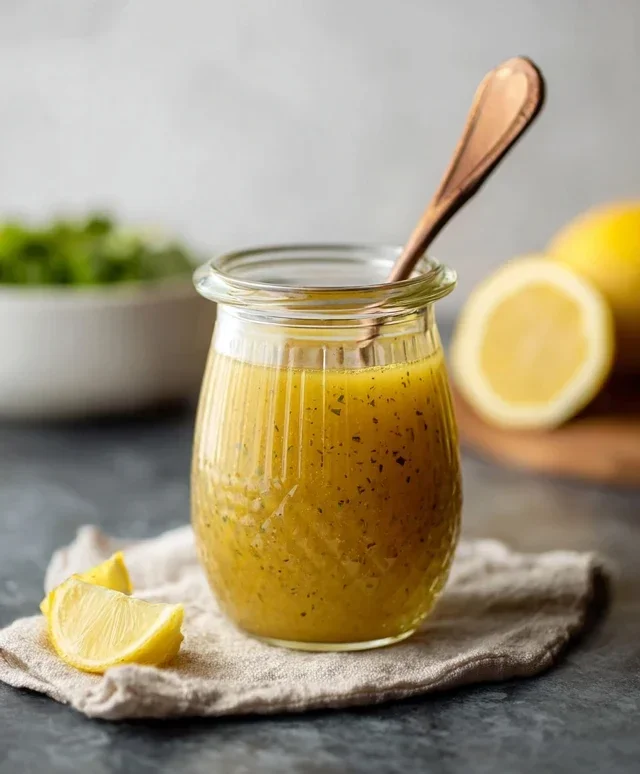
Your delicious basic lemon vinaigrette is now ready to be used! You can pour it directly over your salad or vegetables, or store it for later. Pour the dressing into an airtight container, such as a glass jar with a lid. It will keep in the refrigerator for about 1 to 2 weeks. The vinaigrette may separate slightly in the refrigerator due to the olive oil solidifying a bit. This is perfectly normal! Simply give it a good shake or whisk before each use to re-emulsify it. Enjoy the fresh, homemade taste that will elevate all your culinary creations!
Conclusion:
And there you have it – your very own, incredibly versatile, basic lemon vinaigrette dressing! I truly hope you’ve enjoyed learning how simple and rewarding it is to whip up this kitchen essential. The beauty of this dressing lies in its bright, fresh flavor that elevates any dish without overpowering it. It’s a far cry from store-bought options, giving you control over the ingredients and a delightful homemade taste. The perfect balance of zesty lemon and smooth olive oil makes it a go-to for countless culinary adventures.
I love using this dressing on everything from crisp green salads and hearty grain bowls to as a marinade for chicken or fish, and even drizzled over roasted vegetables. Don’t be afraid to experiment with it; it truly is a cbeef hameleon of the condiment world! I wholeheartedly encourage you to give this basic lemon vinaigrette a try. Once you taste the difference, you’ll wonder why you ever bought dressing from a bottle.
Frequently Asked Questions:
Can I make this dressing ahead of time?
Absolutely! This basic lemon vinaigrette can be made up to a week in advance and stored in an airtight container in the refrigerator. The olive oil may solidify slightly when chilled, but just give it a good shake or a quick whisk at room temperature before serving, and it will be perfectly emulsified again.
What kind of olive oil should I use?
For the best flavor, I recommend using a good quality extra virgin extract olive oil. Its fruity notes will complement the lemon beautifully. However, a standard olive oil will also work if that’s what you have on hand. The key is to use something you enjoy the taste of!
Basic Lemon Vinaigrette Dressing
A simple and versatile lemon vinaigrette perfect for salads and marinades.
Ingredients
-
¼ cup apple cider vinegar
-
2 Tablespoons fresh lemon juice
-
2 Tablespoons water
-
1 Tablespoon dijon mustard
-
2 teaspoons honey
-
1 teaspoon dried oregano
-
1 clove garlic (minced)
-
½ teaspoon sea salt
-
¼ teaspoon black pepper
-
½ cup + 2 Tablespoons olive oil
Instructions
-
Step 1
In a small bowl or a jar with a tight-fitting lid, combine the apple cider vinegar, fresh lemon juice, water, Dijon mustard, honey, dried oregano, minced garlic, sea salt, and black pepper. -
Step 2
Whisk or shake the ingredients vigorously until well combined and emulsified. -
Step 3
Slowly drizzle in the olive oil while continuously whisking (or shaking the jar) to create a smooth and creamy dressing. -
Step 4
Taste and adjust seasonings as needed. You may want to add more honey for sweetness, or more salt and pepper to your preference. -
Step 5
For best flavor, let the vinaigrette sit for a few minutes to allow the flavors to meld. -
Step 6
Pour over your favorite salads or use as a marinade for chicken or fish.
Important Information
Nutrition Facts (Per Serving)
It is important to consider this information as approximate and not to use it as definitive health advice.
Allergy Information
Please check ingredients for potential allergens and consult a health professional if in doubt.