Best Chimichurri Sauce Recipe- Easy & Fresh Flavor
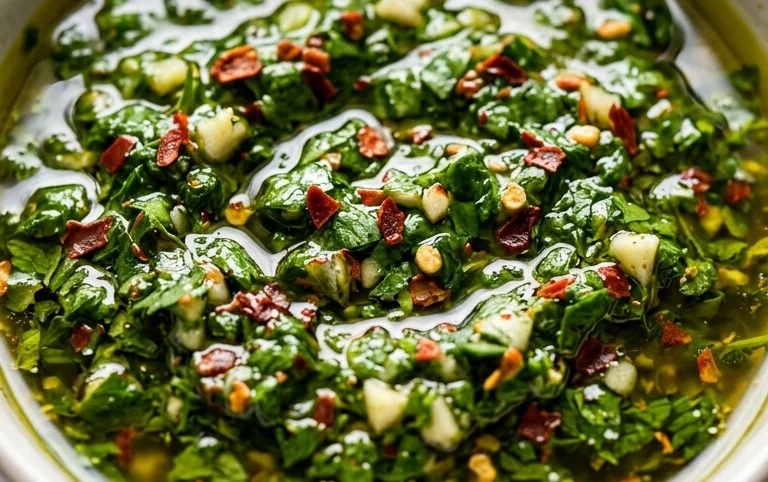
Chimichurri sauce recipe, my friends, is more than just a condiment; it’s a revelation for your taste buds! Imagin extracte a vibrant, herbaceous explosion, a zesty elixir that instantly elevates grilled meats, roasted vegetables, and even simple scrambled eggs. This Argentinian staple, the quintessential chimichurri, has captured hearts (and stomachs) worldwide for its incredible versatility and bright, fresh flavor profile. What makes this chimichurri sauce recipe so special? It’s the perfect harmony of fresh parsley and oregano, the pungent kick of garlic, the subtle heat of chili flakes, and the bright tang of vinegar, all brought together by the richness of olive oil. It’s incredibly easy to whip up, and once you taste the magic of homemade chimichurri, you’ll wonder how you ever lived without it.
Chimichurri Sauce: The Vibrant Green Elixir Your Grilled Meats Crave
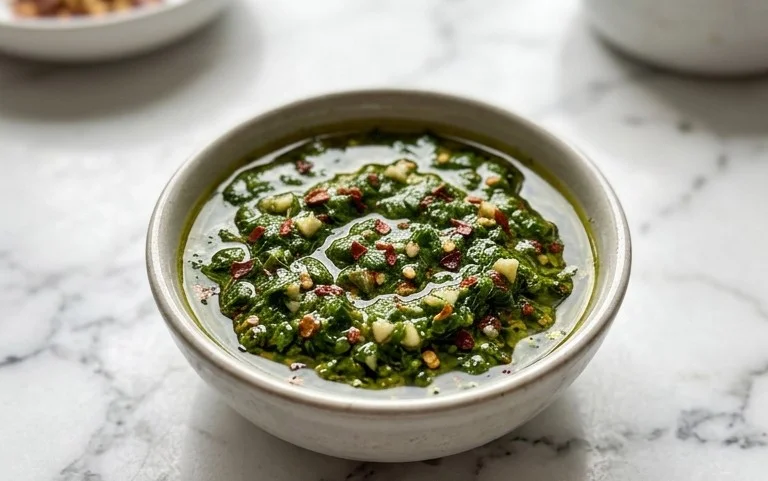
There are certain sauces that transcend mere accompaniment and become a fundamental element of a dish, elevating simple grilled meats to a culinary masterpiece. Chimichurri is one such sauce. Hailing from Argentina and Uruguay, this bright, herbaceous, and slightly tangy condiment is the perfect counterpoint to rich, savory flavors. Its vibrant green hue is a testament to its freshness, and its complex yet balanced taste profile is addictive. Forget boring ketchup or one-note barbecue sauce; once you try this homemade chimichurri, you’ll find yourself reaching for it with everything from steak and chicken to fish and even roasted vegetables.
Making chimichurri is surprisingly straightforward, requiring no cooking whatsoever. The magic lies in the quality and freshness of your ingredients, and the simple act of chopping and blending them to perfection. It’s a sauce that celebrates the essence of its components, allowing their natural flavors to shine through. So, let’s dive into what you’ll need to create this delicious staple in your own kitchen.
Ingredients:
Crafting Your Chimichurri: Step-by-Step
The beauty of chimichurri lies in its simplicity, but a little attention to detail will ensure you get the best possible flavor and texture. I find that a combination of finely chopped ingredients and a slightly coarser blend can offer a delightful textural contrast.
1. Prepare Your Fresh Herbs: This is perhaps the most crucial step. Start by thoroughly washing your fresh parsley, cilantro, and oregano. Gently pat them dry with paper towels or use a salad spinner to remove as much moisture as possible. Then, carefully strip the leaves from the stems. For the parsley and cilantro, this is fairly easy. For the oregano, the stems are usually quite woody and should be discarded. Finely chop the herb leaves. The goal here is to have a good amount of finely minced herbs, but don’t stress about absolute uniformity. Some slightly larger pieces will add character. I usually aim for a consistency where you can still discern individual herb pieces, but they are small enough to meld together beautifully.
2. Chop the Aromatics: Next, we move on to the aromatics. Take your roughly chopped red onion or shallots and mince them as finely as you can. The finer the mince, the more evenly distributed the flavor will be throughout the sauce. Similarly, mince the peeled garlic cloves. You want the garlic to be very fine, almost a paste if possible, to avoid any overpowering raw garlic bites. If you have a garlic press, this is a great time to use it. Add the minced onion/shallots and garlic to a medium-sized bowl.
3. Incorporate the Heat and Seasoning: Now, let’s add a touch of gentle heat and the essential salt. Sprinkle the red pepper flakes over the minced onion and garlic. The amount of red pepper flakes can be adjusted to your preference – if you like a bit more spice, feel free to add a touch more. For this recipe, 1/2 teaspoon provides a pleasant warmth without being overwhelming for most palates. Then, add the kosher salt. Kosher salt has a coarser grain than table salt, which helps to distribute the flavor more evenly and avoid a sharp, salty bite.
4. Combine and Emulsify: This is where the sauce really comes together. Pour the extra-virgin extract olive oil into the bowl with the herbs, onion, garlic, red pepper flakes, and salt. Add the red grape juice vinegar and the fresh lemon juice. The vinegar provides a crucial tangy foundation, while the lemon juice adds a brighter, more citrusy acidity that complements the herbs wonderfully. Whisk everything together vigorously. You want to create a well-emulsified sauce, meaning the oil and liquids are thoroughly combined and suspended. Don’t be afraid to whisk with a bit of gusto. This process helps to marry all the flavors and create a harmonious blend.
5. Rest and Marinate (The Secret to Flavor Infusion): Once everything is well combined, cover the bowl or transfer the chimichurri to an airtight container. This is a crucial step that many people overlook, and it makes a significant difference. Let the chimichurri rest for at least 30 minutes at room temperature, or preferably for a few hours in the refrigerator. This resting period allows all the flavors to meld and deepen. The herbs will infuse their essence into the oil and vinegar, and the garlic and onion will mellow slightly, becoming more integrated into the overall flavor profile. You can even make this sauce a day in advance; the flavors will only improve with time.
Serving and Storing Your Chimichurri
Once your chimichurri has had a chance to rest and its flavors have married, it’s ready to be enjoyed. Give it another good stir before serving, as the oil and vinegar might separate slightly.
This vibrant sauce is incredibly versatile. It’s the classic accompaniment to grilled steak, especially Argentine-style cuts like flank steak or skirt steak. However, its bright, fresh flavor profile also shines on grilled chicken, beef chops, fish, and even firm tofu or grilled halloumi. Drizzle it over roasted potatoes, toss it with a simple green salad, or use it as a dipping sauce for bread.
Store any leftover chimichurri in an airtight container in the refrigerator for up to a week. The flavors will continue to develop, making it even better on subsequent days. Before serving, allow it to come to room temperature and give it a good stir. Enjoy the explosion of fresh, herbaceous flavor that this simple yet sensational sauce brings to your table!
Conclusion:
So there you have it! This chimichurri sauce recipe is a true game-changer for any kitchen. Its vibrant flavor profile, bursting with fresh herbs, garlic, and a hint of spice, elevates everything it touches. It’s incredibly easy to whip up, making it perfect for weeknight dinners or impressing guests at your next barbecue. Don’t be afraid to experiment with serving suggestions; it’s fantastic on grilled steaks, chicken, fish, roasted vegetables, or even as a dip for crusty bread. The beauty of chimichurri is its versatility, so feel free to tweak the ingredients to your liking!
I truly encourage you to give this recipe a try. You might be surprised by how quickly it becomes a staple in your culinary repertoire. It’s a taste of Argentina, right in your own home, and the possibilities are endless.
Frequently Asked Questions:
Can I make chimichurri ahead of time?
Absolutely! Chimichurri sauce actually tastes even better when it’s allowed to meld for at least 30 minutes to an hour in the refrigerator. You can store it in an airtight container in the fridge for up to 5 days. Just give it a good stir before serving.
What are some good variations on this chimichurri recipe?
Feel free to get creative! You can add a pinch of red pepper flakes for extra heat, a squeeze of lime juice for added tangin extractess, or even a tablespoon of chopped fresh oregano for a different herbaceous note. Some people also add a finely diced shallot for a milder onion flavor.
What kind of oil should I use for chimichurri?
A good quality extra virgin extract olive oil is ideal for chimichurri. It provides a smooth base and complements the fresh herb flavors beautifully. Avoid using a lighter olive oil or a neutral oil like vegetable oil, as they won’t impart the same depth of flavor.
Chimichurri Sauce Recipe
A vibrant and herbaceous Argentine sauce perfect for grilled meats, vegetables, and more.
Ingredients
-
1 cup fresh Italian flat-leaf parsley, leaves only, stems removed
-
1/4 cup fresh cilantro, leaves only, stems removed
-
1/4 cup fresh oregano, leaves only, stems removed
-
1/3 cup roughly chopped red onion
-
3 cloves garlic, peeled
-
1/2 teaspoon red pepper flakes
-
1/2 cup extra-virgin olive oil
-
1/4 cup red grape juice vinegar
-
3 tablespoons fresh lemon juice
-
1 teaspoon kosher salt
Instructions
-
Step 1
Finely chop the parsley, cilantro, and oregano. -
Step 2
In a food processor, combine the chopped herbs, red onion, garlic, and red pepper flakes. -
Step 3
Pulse until the mixture is finely chopped but not a paste. -
Step 4
With the food processor running, slowly drizzle in the extra-virgin olive oil until incorporated. -
Step 5
Add the red grape juice vinegar, fresh lemon juice, and kosher salt. Pulse to combine. -
Step 6
Taste and adjust seasoning if needed.
Important Information
Nutrition Facts (Per Serving)
It is important to consider this information as approximate and not to use it as definitive health advice.
Allergy Information
Please check ingredients for potential allergens and consult a health professional if in doubt.