Dairy Free Pesto Recipe- Delicious & Easy
Dairy Free Pesto is an absolute revelation, a vibrant explosion of fresh herbs and nutty goodness that I can finally enjoy without a second thought! For years, I adored traditional pesto, but as my dairy intolerance became more apparent, I thought those luscious green swirls were lost to me forever. Little did I know, a world of creamy, flavorful, and utterly satisfying dairy free pesto was just waiting to be discovered. What makes this recipe so special? It’s all about capturing that authentic, herbaceous punch without relying on the usual Parmesan. We’re talking about a symphony of basil, garlic, pine nuts, and good olive oil, elevated with a clever, dairy-free twist that delivers all the classic zest and richness. Get ready to transform your pasta, sandwiches, and salads with this incredibly versatile and unbelievably delicious dairy free pesto. It’s so good, you might just forget it’s dairy-free!
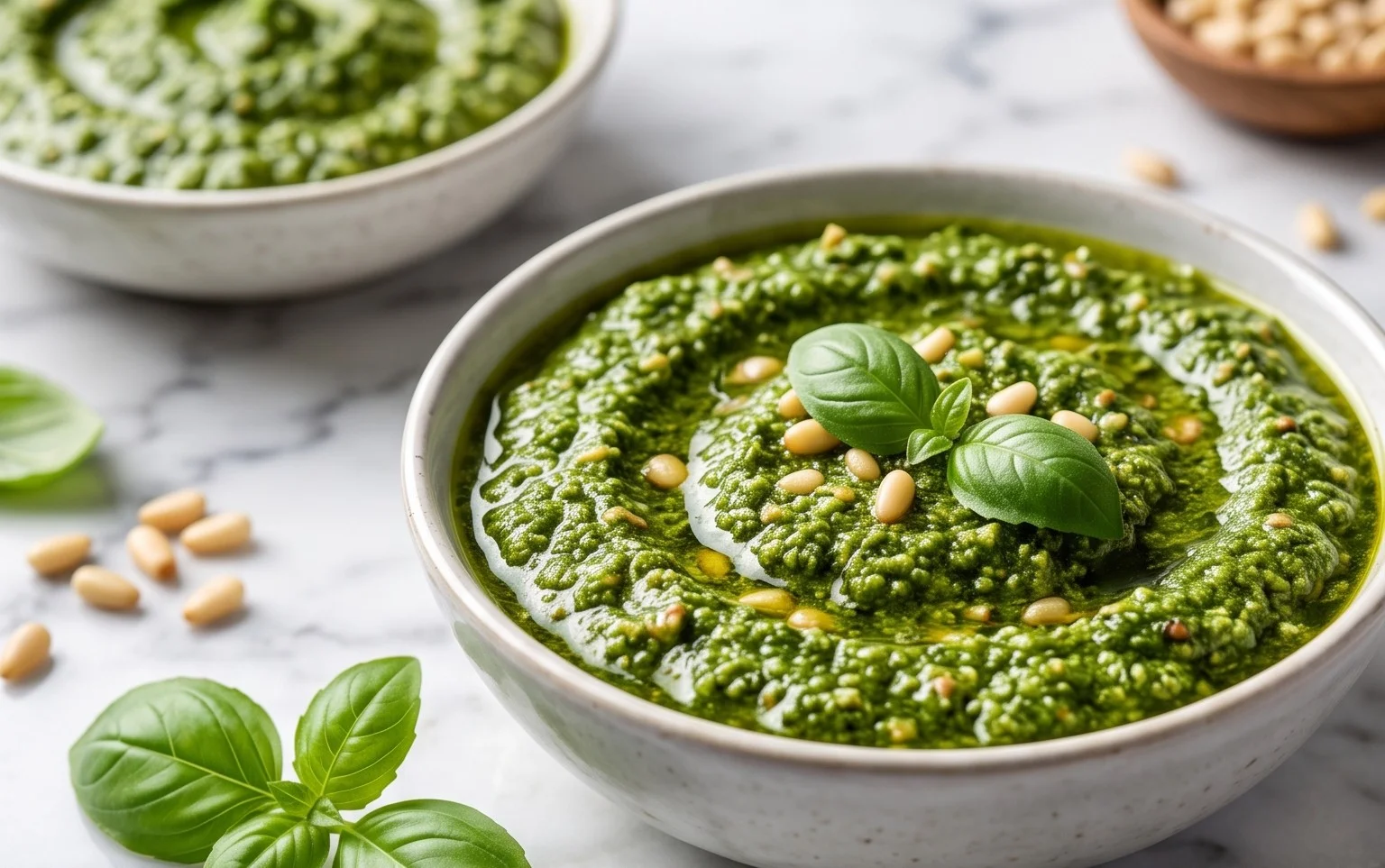
Dairy Free Pesto
Pesto is one of those magical sauces that can transform simple dishes into something spectacular. Traditionally, it’s made with basil, pine nuts, garlic, olive oil, and of course, Parmesan cheese. But what if you’re avoiding dairy, or simply looking for a delicious alternative that still packs all that vibrant flavor? Fear not, my friends! This dairy-free pesto recipe is here to save the day. It’s incredibly easy to make, and the creamy, nutty, herbaceous goodness is just as satisfying as the classic. I love having a batch of this in my fridge for quick dinners, as a spread for sandwiches, or even stirred into soups. It’s a versatile flavor powerhouse that you’ll find yourself reaching for again and again. Let’s get started on creating this delightful condiment!
Ingredients:
Making Your Dairy Free Pesto
Now for the fun part – creating this vibrant green goodness! You have a couple of options for how to combine your ingredients, depending on your kitchen equipment. A food processor is generally the easiest and quickest way to achieve a beautifully smooth pesto. However, if you don’t have one, a mortar and pestle can also work, though it will require a bit more elbow grease and time.
Method 1: Using a Food Processor
This is my go-to method for its speed and ease.
Start by preparing your basil. Ensure your basil leaves are clean and dry. I like to give them a gentle wash and then pat them thoroughly dry with paper towels or use a salad spinner. Excess water can make your pesto watery and affect its texture. Once dry, remove any tough stems from the basil leaves. You want to use primarily the leaves for the best flavor and texture. Pack them loosely into your food processor.
Add your flavor enhancers to the food processor. This includes the peeled garlic cloves, the toasted pine nuts (toasting them beforehand really brings out their nutty flavor, though it’s optional if you’re short on time), and the salt. If you’re using walnuts or pumpkin seeds, feel free to toast those as well for an extra layer of deliciousness.
Pulse the ingredients in the food processor. Begin extract by pulsing a few times until the garlic and nuts are roughly chopped. This helps to break down the larger ingredients before you add the liquid.
Slowly drizzle in the olive oil while the food processor is running. Start with a slow, steady stream of olive oil. This emulsifies the sauce and helps to create a smooth, creamy consistency. Continue to process until the pesto reaches your desired texture. Some people prefer a slightly chunkier pesto, while others like it super smooth. You can stop processing when it looks good to you!
Add the lemon juice and nutritional yeast (if using). Once the pesto is mostly processed, add the fresh lemon juice. This brightens up all the flavors and adds a lovely tang. If you’re using nutritional yeast for that cheesy, umami note, now is the time to add it. Give it a final pulse or two to incorporate everything evenly. Taste your pesto and adjust seasoning if needed. You might want a little more salt or a squeeze more lemon juice, depending on your preference.
Method 2: Using a Mortar and Pestle
If you’re feeling a bit more traditional or don’t have a food processor, a mortar and pestle will yield a wonderfully rustic pesto.
Begin extract by crushing the garlic cloves and salt into a paste in the mortar. This step is crucial for releasing the garlic’s oils and mellowing its pungent flavor. Use a circular motion with the pestle, grinding the garlic and salt until they form a smooth paste.
Add the pine nuts (or your chosen nuts/seeds) to the mortar and grind them with the garlic paste until finely chopped. Don’t aim for a powder; some texture is good.
Gradually add the basil leaves to the mortar, a handful at a time, and grind them into the mixture. Continue to grind and pound until the basil is well incorporated and broken down. This will take some time and effort, so be patient!
Slowly drizzle in the olive oil while continuing to grind and stir with the pestle. You’re looking for an emulsified sauce. Keep mixing until you achieve a pesto-like consistency.
Finally, stir in the lemon juice and nutritional yeast (if using). Mix thoroughly to combine. Taste and adjust seasoning as needed.
Storing Your Dairy Free Pesto
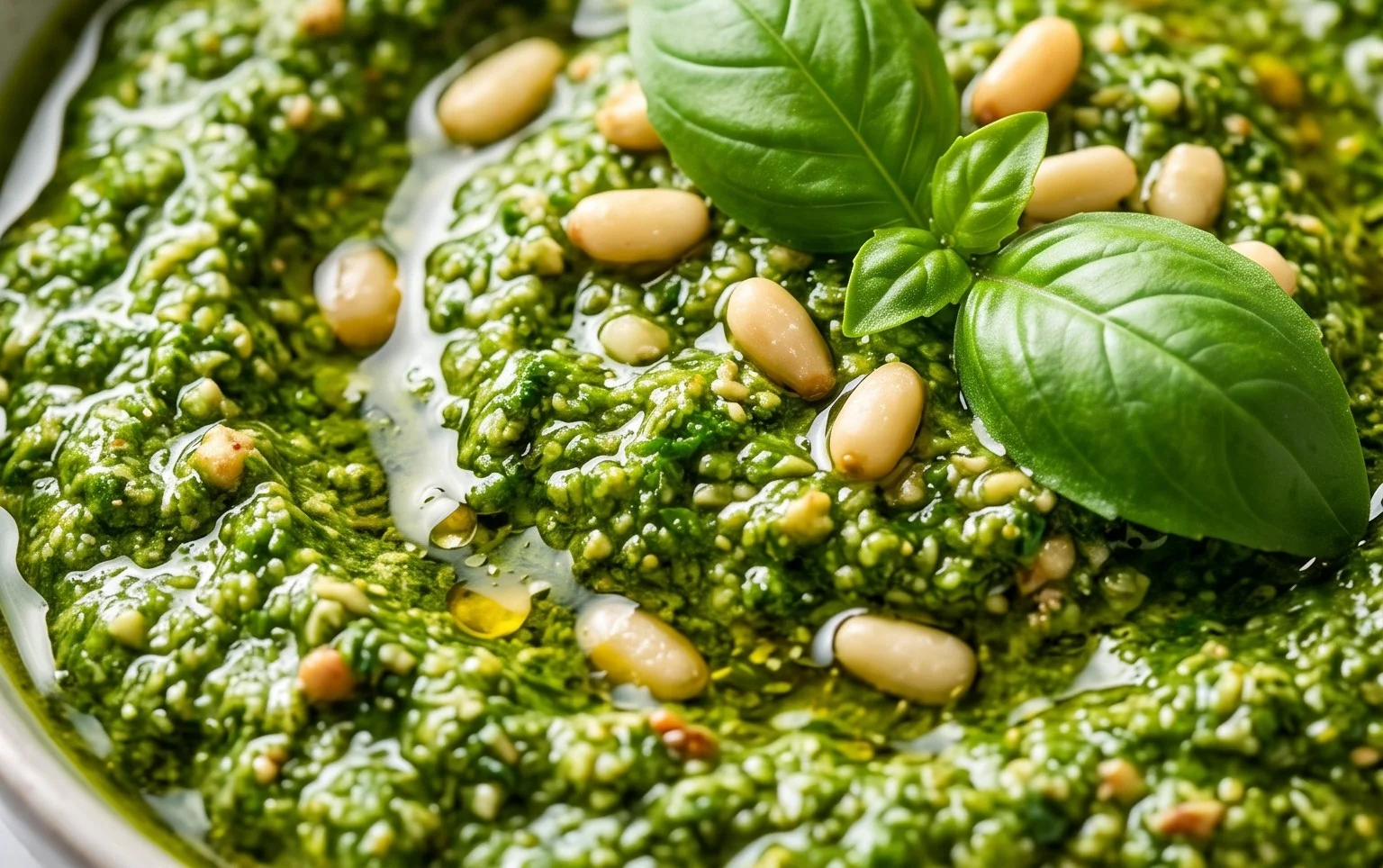
Once your delicious dairy-free pesto is made, you’ll want to store it properly to keep it fresh. Transfer the pesto to an airtight container. To prevent browning, I like to pour a thin layer of olive oil over the top of the pesto before sealing the container. This creates a barrier against the air. Stored this way, it should keep in the refrigerator for about 5-7 days. You can also freeze portions of it in ice cube trays for even longer storage, then pop out the frozen pesto cubes and store them in a freezer bag. This is a fantastic way to have homemade pesto ready whenever you need it! Enjoy this versatile and flavorful dairy-free delight!
Conclusion:
I hope you’re as excited as I am to try this amazing dairy free pesto recipe! It’s a fantastic way to enjoy the vibrant, herbaceous flavors of traditional pesto without any dairy. This recipe is a winner because it’s incredibly versatile, surprisingly easy to make, and packed with fresh, wholesome ingredients. Whether you’re dairy-intolerant, vegan, or simply looking for a delicious alternative, this dairy free pesto is sure to become a staple in your kitchen.
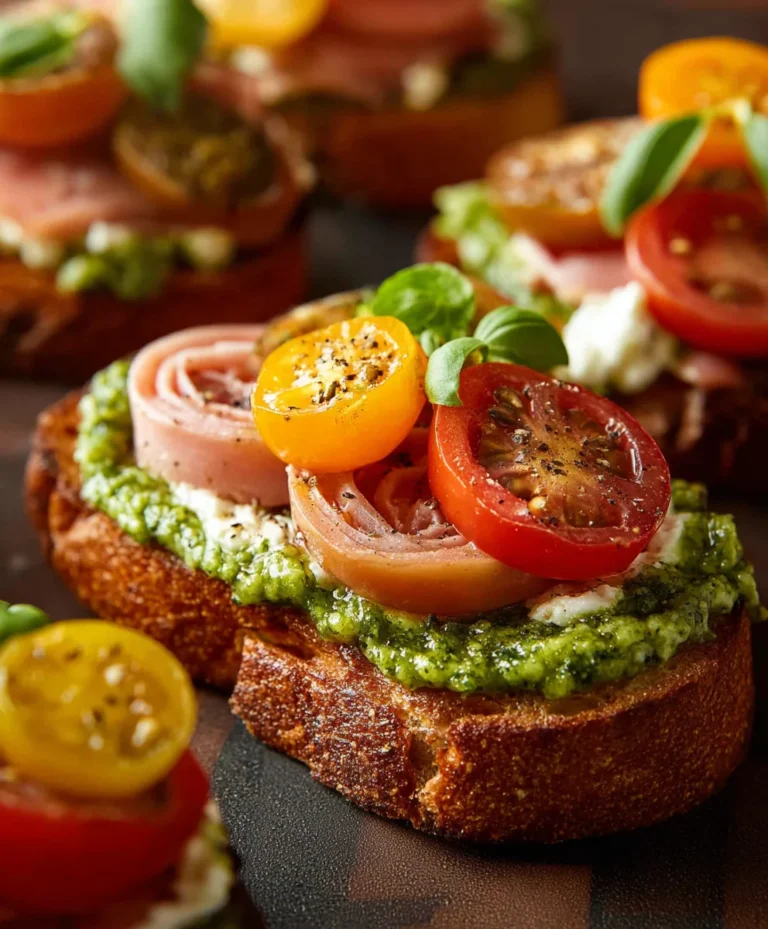
The possibilities for serving this delicious pesto are endless! Toss it with your favorite pasta, spread it on crusty bread for a quick appetizer, dollop it onto roasted vegetables, or even use it as a marinade for chicken or fish. For variations, don’t be afraid to experiment! Swap out pine nuts for walnuts or almonds, add a pinch of chili flakes for a bit of heat, or incorporate a different herb like mint for a refreshing twist. I truly encourage you to give this dairy free pesto a try – you won’t be disappointed!
Frequently Asked Questions about Dairy Free Pesto:
Q: How long does this dairy free pesto last in the refrigerator?
A: Properly stored in an airtight container, this dairy free pesto can last for up to 5-7 days in the refrigerator. It’s best to cover the surface with a thin layer of olive oil to prevent oxidation and maintain its freshness.
Q: Can I freeze this dairy free pesto?
A: Absolutely! Freezing is a great way to preserve your delicious dairy free pesto for longer. You can freeze it in ice cube trays for easy portioning, or in small airtight containers. Once frozen, it can be stored for up to 3-4 months.
Q: What nuts can I use if I have a nut allergy or want to try something different?
A: If you have a nut allergy or simply want to switch things up, sunflower seeds are an excellent alternative to pine nuts. Pumpkin seeds also work well, offering a slightly different, earthy flavor. Ensure the seeds are lightly toasted for the best flavor.
Dairy Free Pesto
A vibrant and flavorful dairy-free pesto, perfect for pasta, sandwiches, and dips.
Ingredients
-
3 cups basil
-
1/2 lemon (juiced)
-
1/2 cup pine nuts
-
2 cloves garlic
-
1/4 cup olive oil
-
1/2 tsp salt
-
2 tbsp nutritional yeast
Instructions
-
Step 1
Wash and dry the basil leaves thoroughly. -
Step 2
Toast the pine nuts in a dry skillet over medium heat until golden brown and fragrant. Let cool. -
Step 3
In a food processor, combine the basil, toasted pine nuts, garlic, salt, and nutritional yeast. -
Step 4
Pulse the ingredients until roughly chopped. -
Step 5
Slowly drizzle in the olive oil while the food processor is running, until the pesto reaches your desired consistency. -
Step 6
Stir in the fresh lemon juice and taste, adjusting salt if needed.
Important Information
Nutrition Facts (Per Serving)
It is important to consider this information as approximate and not to use it as definitive health advice.
Allergy Information
Please check ingredients for potential allergens and consult a health professional if in doubt.