
Easy Miso Soup Recipe – Quick & Delicious Comfort
Miso soup recipe is more than just a comforting bowl of broth; it’s a gateway to the heart of Japanese cuisine. For many of us, that warm, savory embrace is instantly transportive, conjuring memories of cozy evenings or vibrant restaurant experiences. What makes this humble dish so universally beloved? It’s the perfect balance of umami-rich miso paste, delicate dashi broth, and customizable additions that create a truly satisfying and nourishing meal. It’s this simplicity, coupled with its profound depth of flavor, that makes a homemade miso soup recipe such a rewarding endeavor. Whether you’re a seasoned cook or just starting your culinary journey, mastering this fundamental recipe will unlock a world of delicious possibilities.
Why We Adore This Miso Soup Recipe
A Taste of Tradition
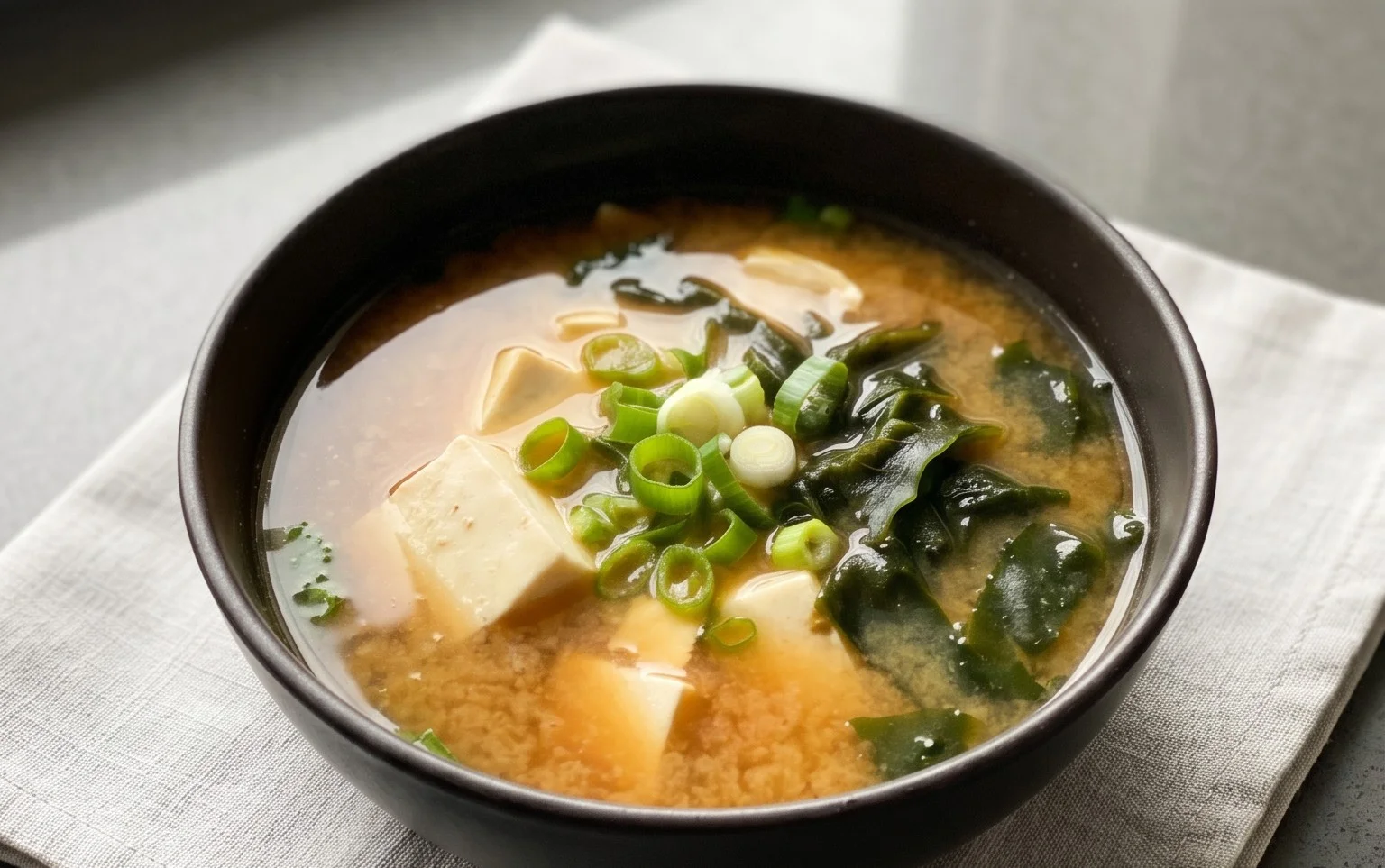
The Comforting Embrace of Homemade Miso Soup
There are few things as soul-soothing and elegantly simple as a warm bowl of miso soup. It’s a cornerstone of Japanese cuisine, a fragrant broth that whispers of umami and brings a sense of calm to any meal. While you can find miso soup in countless restaurants, there’s a unique satisfaction that comes from making it yourself. It’s incredibly easy, surprisingly quick, and allows you to tailor the flavors precisely to your liking. Whether you’re starting your day with a light breakfast, seeking a comforting accompaniment to your lunch, or unwinding with a light dinner, this homemade miso soup recipe is sure to become a go-to. Let’s dive into the simple magic of creating this classic.
Ingredients:
Preparing Your Miso Masterpiece
The beauty of miso soup lies in its minimal preparation and the few, high-quality ingredients that create such a profound depth of flavor. We’ll begin extract by rehydrating our seaweed, a step that’s crucial for both texture and flavor. Then, we’ll gently warm our dashi, the foundational broth that carries all the other delicious elements. Finally, we’ll introduce the star of the show – the miso paste – carefully so it doesn’t boil and lose its delicate aromas and beneficial probiotics.
First, let’s prepare the dried seaweed. Place the heaping tablespoon of dried seaweed in a small bowl and cover it with warm water. Let it sit for about 5 to 10 minutes, or until it has fully rehydrated and expanded. You’ll notice it becomes tender and slightly gelatinous. Once rehydrated, drain off the excess water thoroughly. Some people like to give it a quick rinse to remove any lingering grit, which is a good idea if you’re unsure about the quality of your seaweed. After draining, you can either leave it as is or chop it into smaller, more manageable pieces if you prefer. This ensures a pleasant texture in every spoonful.
Next, it’s time to warm the dashi. Pour your 2½ cups of dashi into a small saucepan. Place the saucepan over medium heat. You want to bring the dashi to a gentle simmer, not a rolling boil. A gentle simmer will awaken the subtle flavors of the dashi and prepare it for the addition of our other ingredients. As the dashi heats up, you might see a slight shimmering on the surface. This is the perfect temperature to work with. Avoid boiling the dashi vigorously, as it can diminish its delicate character and make the final soup taste flat.
Once the dashi is gently simmering, it’s time to introduce the rehydrated seaweed and the silken tofu. Carefully add the drained seaweed to the saucepan. Then, gently slide in the small pieces of silken tofu. Be gentle with the tofu; it’s very delicate and can break apart easily. Stir everything gently to combine. Allow the seaweed and tofu to simmer in the dashi for about 2 to 3 minutes. This short cooking time is enough to heat the tofu through and allow the seaweed to infuse its briny, oceanic notes into the broth. The tofu will become slightly warm and tender, perfect for soaking up the flavorful broth.
Now for the most crucial step: incorporating the miso paste. It’s essential to do this off the heat to preserve the miso’s beneficial probiotics and delicate aroma. Ladle a small amount of the hot dashi from the saucepan into a separate small bowl. Add your 2 to 2½ tablespoons of miso paste to this bowl. Using a whisk or a fork, vigorously stir the miso paste into the dashi until it forms a smooth, lump-free slurry. This step is vital; if you add the miso paste directly to the pot without dissolving it first, it’s very likely to clump and create an uneven texture and flavor. You can adjust the amount of miso paste here based on how strong you like your miso flavor. White miso is milder and sweeter, while red miso is richer and more robust. A blend offers a balanced complexity.
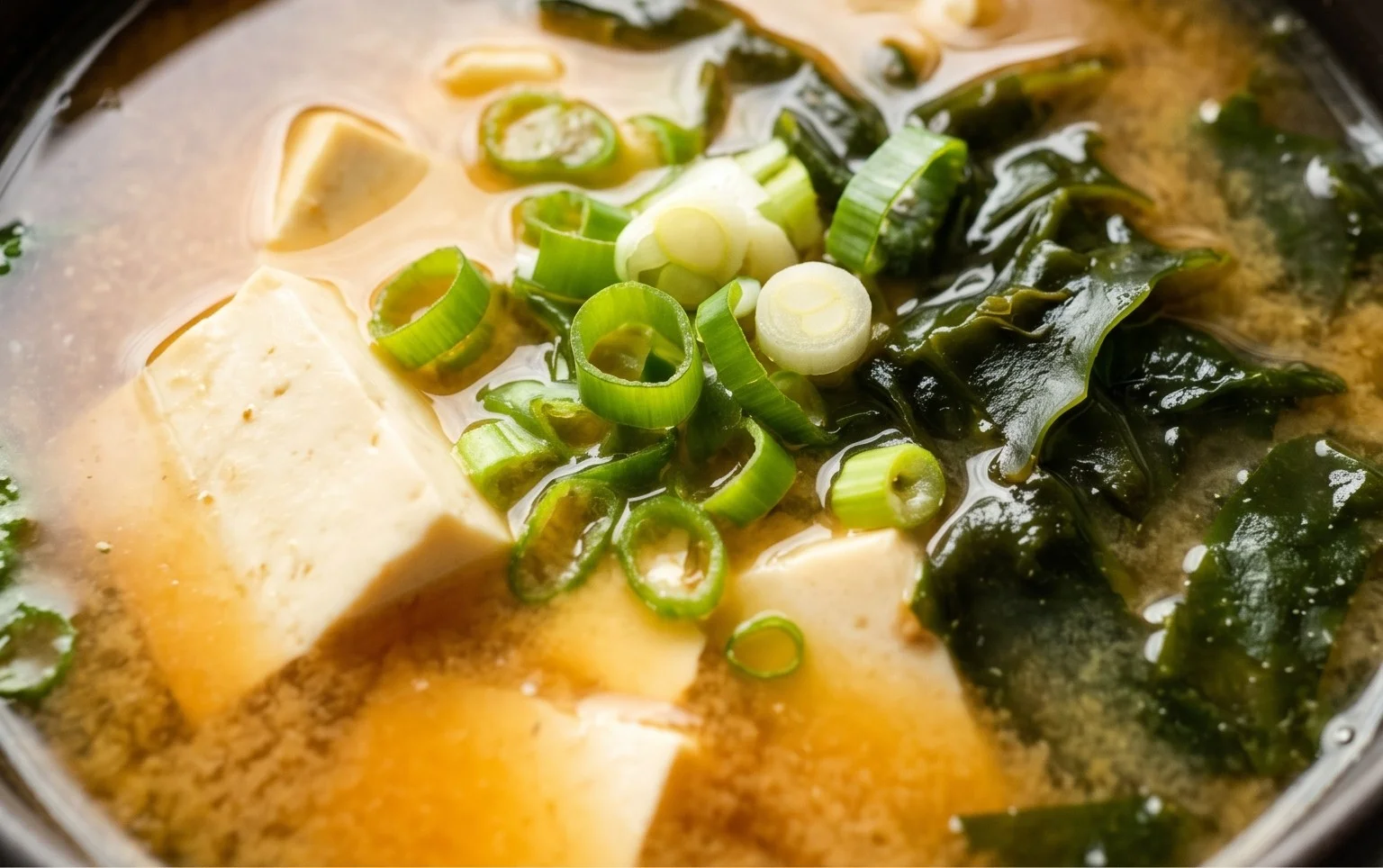
Finally, gently pour the dissolved miso slurry back into the saucepan containing the dashi, seaweed, and tofu. Stir everything gently to combine thoroughly. Do not bring the soup back to a boil after adding the miso. Allowing it to simmer or boil after this point can destroy the delicate flavors and beneficial properties of the miso. You’re just looking to heat it through gently. Once the soup is heated through (it should be piping hot but not boiling), remove the saucepan from the heat immediately. Ladle the miso soup into your serving bowls. Garnish each bowl with the finely chopped scallions. The vibrant green of the scallions adds a pop of color and a fresh, pungent contrast to the rich, savory broth. Serve immediately and enjoy the comforting warmth and delicate flavors.
There you have it – a simple, elegant, and incredibly satisfying bowl of homemade miso soup. It’s a testament to how a few humble ingredients can create something truly special. Enjoy this versatile soup as a starter, a light meal, or a comforting part of your culinary journey.
Conclusion:
There you have it! Crafting your own delicious miso soup is not only incredibly rewarding but also surprisingly simple. This miso soup recipe is fantastic because it’s a blank canvas for your creativity, offering a deeply savory and comforting flavor profile that’s both nourishing and versatile. Whether you’re looking for a quick weeknight starter or a warm embrace on a chilly evening, this recipe delivers. Its delicate umami notes and customizable ingredients make it a staple worth mastering.
To elevate your miso soup experience, consider serving it alongside grilled fish, steamed rice, or as part of a larger Japanese-inspired meal. For variations, feel free to experiment! Add silken tofu for extra protein, a sprinkle of toasted sesame seeds for crunch, or a dash of chili oil for a spicy kick. Don’t be afraid to swap out the vegetables – spinach, bok choy, or shiitake mushrooms all work wonderfully. So, gather your ingredients and give this delightful miso soup a try; you won’t regret it!
Frequently Asked Questions:
What kind of miso paste should I use?
You can use white (shiro) miso for a milder, sweeter flavor, red (aka) miso for a richer, more robust taste, or awase miso (a blend) for a balanced profile. Each will offer a slightly different, yet delicious, result.
Can I make miso soup ahead of time?
While you can prepare the dashi broth in advance, it’s best to add the miso paste just before serving. Miso is a living ingredient, and prolonged heating can diminish its flavor and beneficial properties.
Are there any vegan variations of miso soup?
Absolutely! Ensure your dashi is made with kombu (sea kelp) and dried shiitake mushrooms instead of bonito flakes. Most miso pastes are also vegan-friendly. Load it up with tofu and your favorite vegetables for a hearty vegan meal.
Miso Soup Recipe
A simple and authentic Japanese miso soup.
Ingredients
-
2½ cups Dashi
-
1 heaping tablespoon dried seaweed
-
4 oz silken tofu (cut into small pieces)
-
2-2½ tablespoons miso paste (or to taste)
-
1 tablespoon scallion (chopped)
Instructions
-
Step 1
Gently heat the dashi in a saucepan over medium heat. Do not boil. -
Step 2
Add the dried seaweed to the dashi and let it rehydrate for a few minutes. -
Step 3
Once the seaweed has softened, add the cut silken tofu to the pot. -
Step 4
In a small bowl, whisk the miso paste with a ladleful of the warm dashi until smooth. -
Step 5
Gently stir the dissolved miso mixture into the soup. Heat through but do not boil, as boiling can diminish the flavor and aroma of the miso. -
Step 6
Ladle the soup into bowls and garnish with chopped scallions.
Important Information
Nutrition Facts (Per Serving)
It is important to consider this information as approximate and not to use it as definitive health advice.
Allergy Information
Please check ingredients for potential allergens and consult a health professional if in doubt.