Easy Tanghulu Recipe – Sweet & Crunchy Fruit Skewers
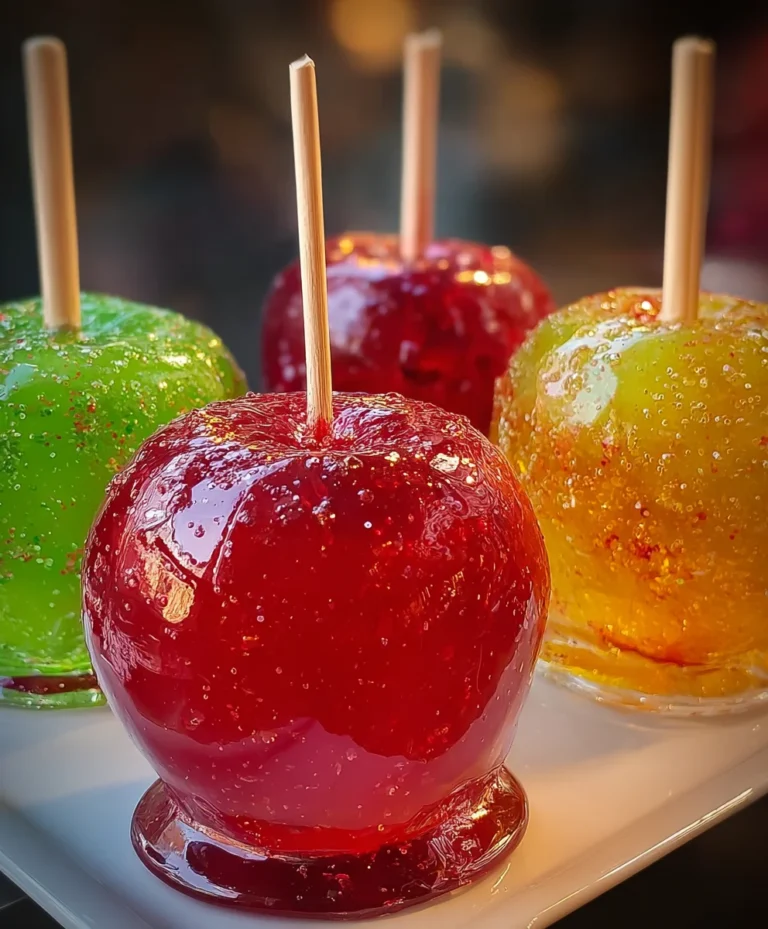
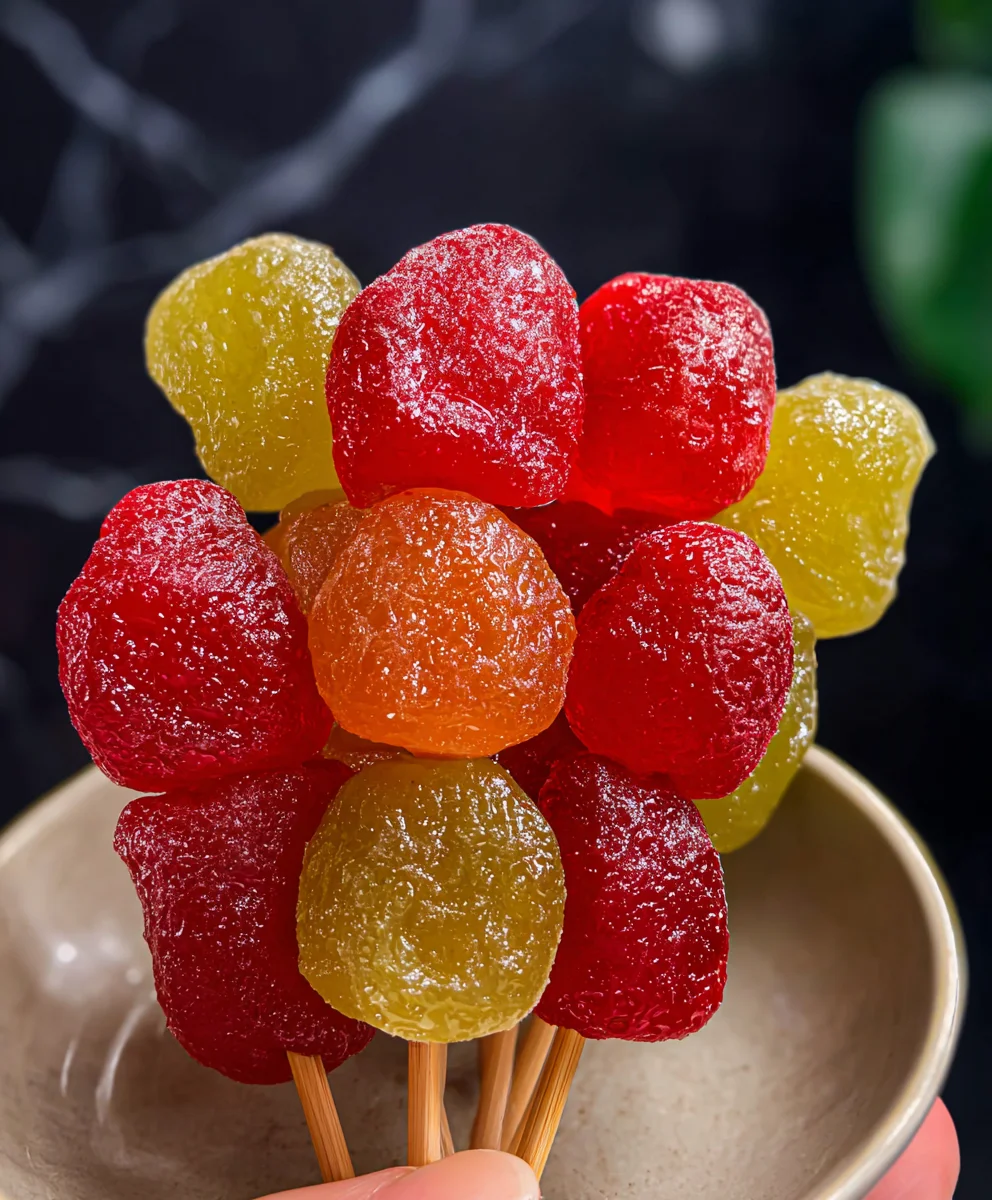
Tanghulu recipe adventures await! If you’ve ever wandered through bustling Asian street markets or scrolled through tempting food blogs, you’ve likely encountered the dazzling allure of tanghulu. These vibrant, jewel-like candied fruits are more than just a treat; they’re a nostalgic experience and a delightful crunch that transports you to childhood memories or exciting new culinary journeys. The sheer visual appeal is undeniable – ripe strawberries, juicy grapes, or crisp apple slices encased in a shimmering, translucent candy shell. It’s this magical transformation, from simple fruit to edible art, that makes everyone fall in love with tanghulu. What truly sets this Tanghulu recipe apart is the perfect balance: the sweet, crackly shell gives way to the refreshing burst of the fruit within, creating a sensory explosion that’s both satisfying and utterly addictive. Prepare to impress yourself and your loved ones with this surprisingly simple yet utterly charming confection.
Ingredients:
- 2 cups granulated sugar
- 1 cup corn syrup
- 1 cup water
- Assorted fresh fruits (e.g., strawberries, grapes, mandarin orange segments, cherry tomatoes, kiwi slices) – about 2-3 cups total
- Wooden skewers or popsicle sticks
- Parchment paper or silicone baking mat
- Optional: Food coloring (red or pink for a classic look)
Preparing Your Fruit for Tanghulu Perfection
Gathering and Prepping the Fruit
The foundation of any great Tanghulu recipe is the quality and preparation of your fruit. For this recipe, I recommend using fruits that are firm and not overly ripe, as they will hold up best to the hot sugar syrup and skewer. Strawberries are a classic choice, and you’ll want to wash them thoroughly and remove the stems. If your strawberries are large, you can cut them in half. Grapes are another fantastic option; choose seedless varieties and ensure they are clean and dry. Mandarin orange segments are delightful and require minimal prep – just peel and separate them. For a unique twist, consider cherry tomatoes, which offer a surprising sweet and savory balance. Make sure to wash them and leave them whole. If you’re using kiwi, peel it and slice it into rounds or wedges. The key here is to have all your fruit washed, dried meticulously, and ready to go before you even start thinking about the sugar syrup. Any excess moisture on the fruit will cause the sugar coating to become cloudy or even melt off, which is the last thing we want for that beautiful, glassy finish. I like to arrange my prepared fruit on a platter so it’s easy to grab and dip.
Creating the Glossy Sugar Coating
The Art of Candy Making
Now comes the magical part: creating that signature crunchy, crystalline candy shell. In a medium saucepan, combine the granulated sugar, corn syrup, and water. It’s important to use a saucepan that is deep enough to prevent the syrup from boiling over. Stir the ingredients together just until the sugar is moistened. We don’t want to over-stir at this point, as this can encourage premature crystallization.
Heating the Sugar Syrup
Place the saucepan over medium-high heat. Now, patience is your best friend. Resist the urge to stir the syrup as it heats up. Instead, you can gently swirl the pan occasionally to ensure even heating. If any sugar crystals form on the sides of the pan, you can use a pastry brush dipped in water to wash them down. This is a crucial step to prevent a grainy texture in your final Tanghulu.
Continue to cook the syrup until it reaches the hard crack stage, which is between 300°F and 310°F (149°C and 154°C) on a candy thermometer. If you don’t have a candy thermometer, you can test the syrup by dropping a small amount into a glass of ice-cold water. If it immediately forms hard, brittle threads that break easily, it’s ready. This usually takes about 10-15 minutes of cooking. If you’re adding food coloring, stir it in gently once the syrup reaches the hard crack stage. Be careful, as the syrup is extremely hot.
Assembling Your Tanghulu Masterpieces
Skewering the Fruit
Once your sugar syrup is at the perfect temperature, remove the saucepan from the heat immediately. Working quickly but carefully, dip each piece of fruit, one by one, onto the prepared skewers or popsicle sticks. Don’t overcrowd the skewers; leave a little space between each piece of fruit to ensure an even coating of syrup. For larger fruits like strawberries, you might only fit one or two per skewer. For smaller fruits like grapes, you can thread several onto a single skewer. Ensure the fruit is firmly attached to the skewer.
The Dipping Process
Now for the most visually satisfying part! Hold a skewered fruit carefully over the saucepan of hot sugar syrup. Gently dip and swirl the fruit in the syrup, ensuring it’s fully coated. For the best results, let any excess syrup drip back into the pan for a second or two before lifting the skewer. You want a thin, even coating, not a thick, gloppy mess. If the syrup starts to thicken too much as you work, you can briefly return the saucepan to very low heat to warm it up again, but be cautious not to overheat it. If you want a thicker coating, you can dip the fruit once more, but aim for a delicate shell.
Cooling and Hardening
Immediately after dipping, place the coated fruit skewers onto the parchment paper or silicone baking mat. This is where the magic happens as the hot sugar syrup rapidly cools and hardens into that beautiful, glassy shell. Allow the Tanghulu to set completely at room temperature, which typically takes about 15-20 minutes. Resist the temptation to touch them while they are hardening, as you might smudge the delicate coating. Once they are fully hardened and cool to the touch, they are ready to be enjoyed. You can store any leftover Tanghulu in an airtight container at room temperature for a day or two, but they are best enjoyed fresh for that optimal crunch.
Conclusion:
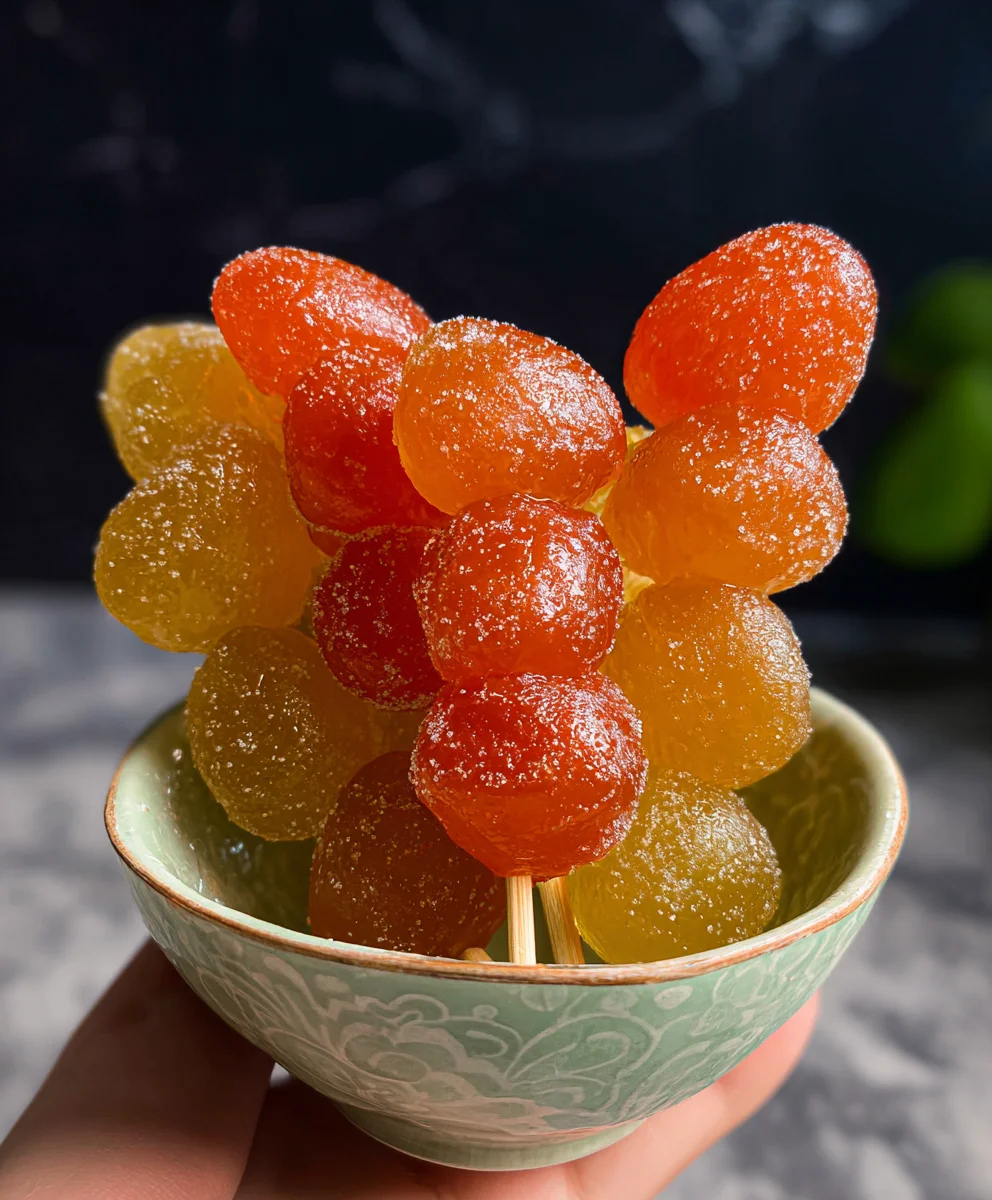
Congratulations! You’ve successfully navigated the sweet, crunchy, and slightly magical world of making Tanghulu Recipe. This delightful treat, with its glistening sugar shell encasing juicy fruits, is a showstopper for any occasion. We’ve covered the essential steps to achieve that perfect crackle and shine, ensuring your Tanghulu Recipe turns out beautifully every time. Remember, the key is patience with the sugar syrup and a quick dip for the fruit.
Tanghulu Recipe is fantastic on its own, but it also pairs wonderfully with a warm cup of tea or as a festive addition to a dessert platter. For variations, don’t be afraid to experiment! While strawberries and grapes are classic, try coating kiwi slices, apple wedges, or even kumquats for a unique twist. You can also gently dust the finished Tanghulu Recipe with edible glitter or fine sprinkles before the sugar completely hardens for an extra touch of sparkle.
We encourage you to get creative in your kitchen and enjoy the process. Sharing homemade Tanghulu Recipe with friends and family is incredibly rewarding. So go forth and create some edible art!
Frequently Asked Questions about Tanghulu Recipe:
Why is my Tanghulu Recipe’s sugar coating sticky instead of hard?
This usually happens if the sugar syrup hasn’t reached the hard crack stage (around 300-310°F or 150-155°C). Make sure your candy thermometer is accurate and cook the syrup until it reaches this temperature. Another reason could be humidity; it’s best to make Tanghulu Recipe on a dry day.
Can I make Tanghulu Recipe ahead of time?
Tanghulu Recipe is best enjoyed fresh, ideally within a few hours of making them. The sugar coating can start to soften and become sticky if left out for too long, especially in humid conditions. If you must store them, wrap them individually in parchment paper and refrigerate them for a short period, but be aware that condensation can affect the crunch.
Easy Tanghulu Recipe – Sweet & Crunchy Fruit Skewers
A simple and delicious recipe for making classic Tanghulu, featuring sweet and crunchy fruit skewers coated in a glassy sugar shell. Perfect for a fun and visually appealing treat.
Ingredients
-
2 cups granulated sugar
-
1 cup corn syrup
-
1 cup water
-
Assorted fresh fruits (e.g., strawberries, grapes, mandarin orange segments, cherry tomatoes, kiwi slices) – about 2-3 cups total
-
Wooden skewers or popsicle sticks
-
Parchment paper or silicone baking mat
-
Optional: Food coloring (red or pink for a classic look)
Instructions
-
Step 1
Prepare your fruit: Wash and thoroughly dry assorted firm fruits like strawberries (stems removed, halved if large), seedless grapes, mandarin orange segments, cherry tomatoes (washed whole), or peeled kiwi slices. Arrange on a platter. -
Step 2
Make the sugar syrup: In a medium, deep saucepan, combine granulated sugar, corn syrup, and water. Stir gently until sugar is moistened. Do not over-stir. -
Step 3
Heat the syrup: Place saucepan over medium-high heat. Do not stir. Swirl the pan occasionally for even heating. Use a wet pastry brush to wash down any sugar crystals on the sides of the pan. Cook until the syrup reaches the hard crack stage (300-310°F or 149-154°C) on a candy thermometer, or test by dropping a bit into ice water – it should form hard, brittle threads. -
Step 4
Add color (optional): Once the syrup reaches the hard crack stage, gently stir in food coloring if desired. Be extremely cautious as the syrup is very hot. -
Step 5
Assemble skewers: Quickly but carefully, dip each piece of prepared fruit onto skewers or popsicle sticks, leaving some space between pieces. Do not overcrowd. -
Step 6
Coat the fruit: Hold a skewered fruit over the hot syrup. Dip and swirl to coat fully. Let excess syrup drip back into the pan for a second before lifting. Aim for a thin, even coating. If syrup thickens, briefly warm on very low heat. -
Step 7
Cool and harden: Immediately place the coated fruit skewers onto parchment paper or a silicone mat. Let them set completely at room temperature for about 15-20 minutes until the candy shell is hard and glassy. Enjoy fresh for optimal crunch.
Important Information
Nutrition Facts (Per Serving)
It is important to consider this information as approximate and not to use it as definitive health advice.
Allergy Information
Please check ingredients for potential allergens and consult a health professional if in doubt.