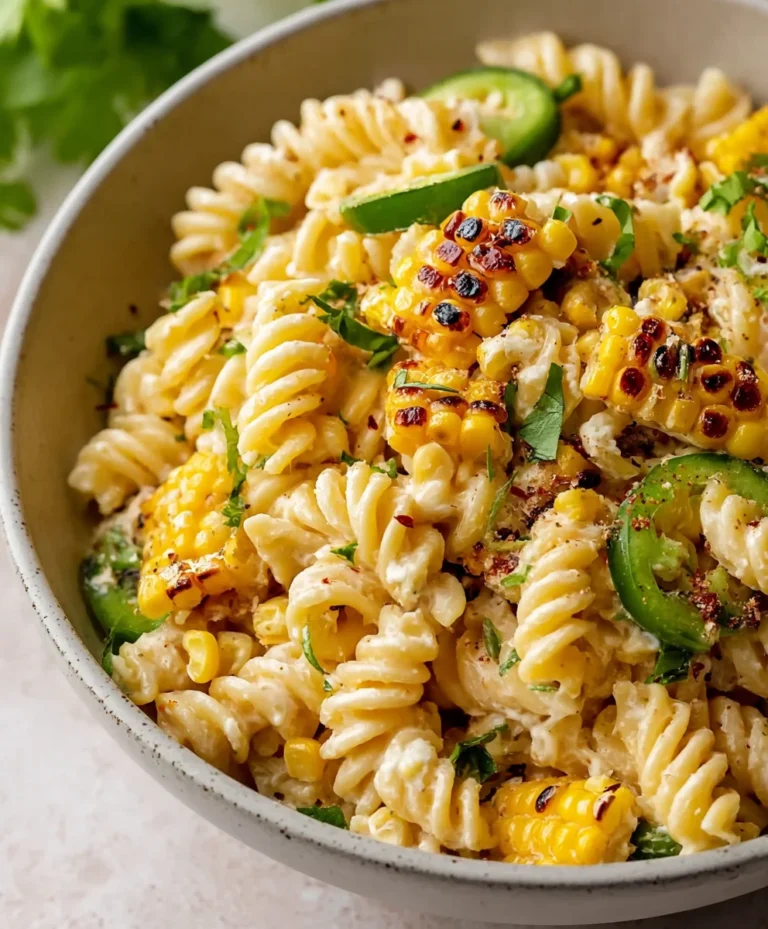
High Protein Cottage Cheese Mac Cheese Recipe
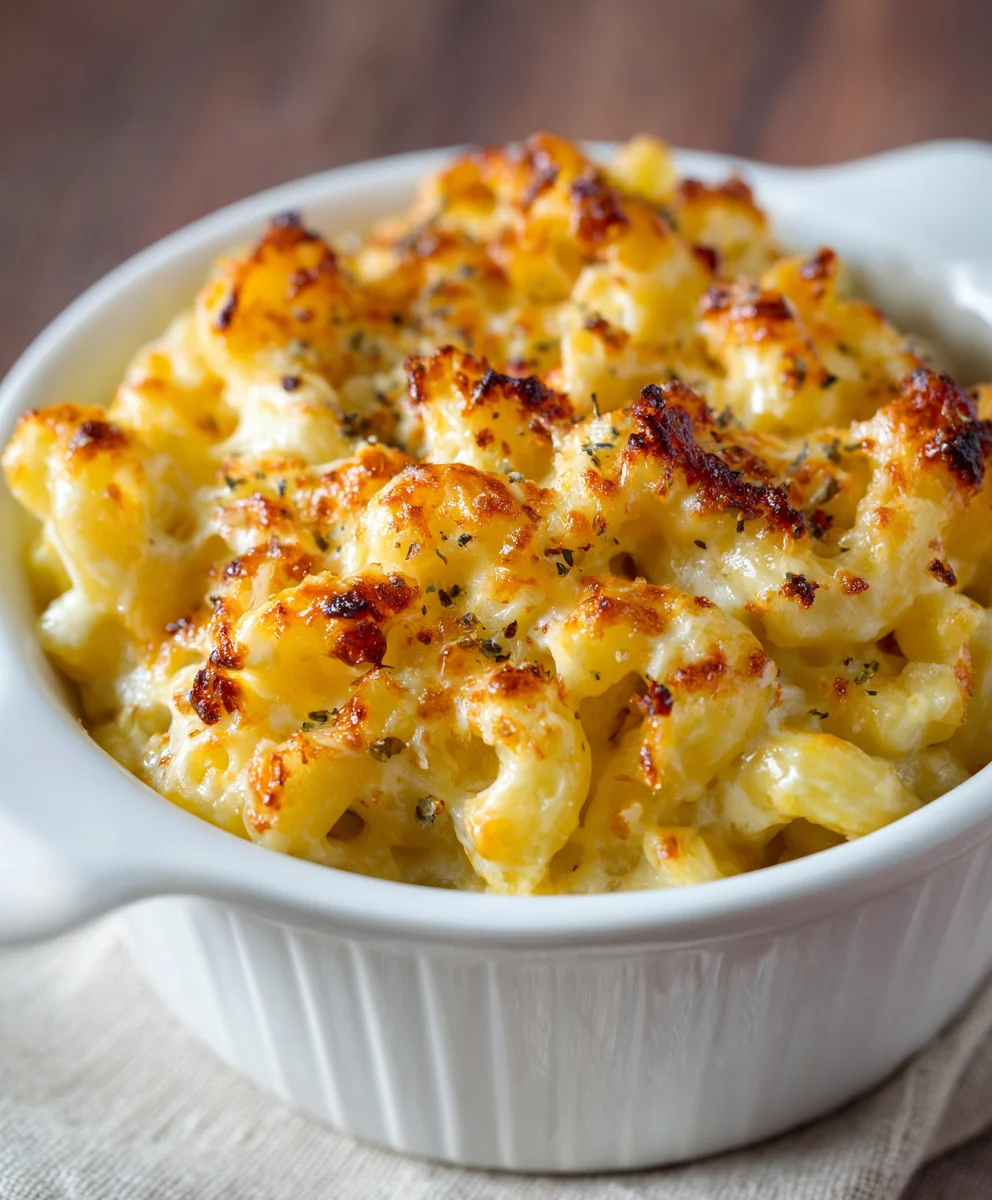
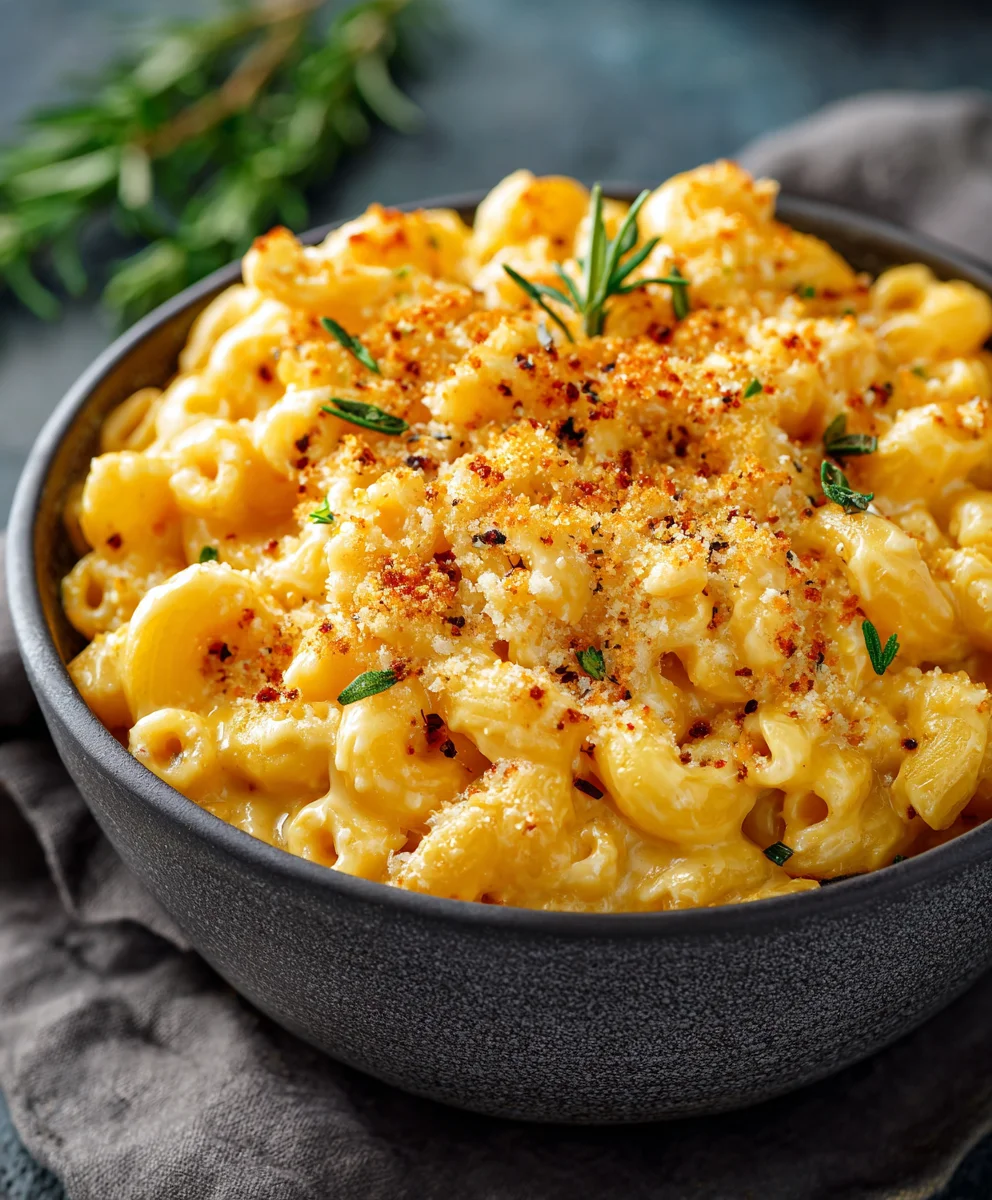
High Protein Cottage Cheese Mac and Cheese is about to revolutionize your weeknight dinners and your idea of comfort food. Forget everything you thought you knew about mac and cheese; this isn’t your grandma’s creamy, cheesy classic, though it certainly delivers on that satisfying nostalgia. What sets this High Protein Cottage Cheese Mac and Cheese apart is its ingenious blend of wholesome ingredients that not only taste incredible but also pack a serious nutritional punch. We’re talking about a dish that feels indulgent, decadent, and utterly satisfying, all while providing a substantial dose of protein to keep you feeling full and energized. People absolutely adore this recipe because it manages to be both a crowd-pleaser and a smart, healthier alternative to traditional versions, without sacrificing that beloved ooey-gooey texture and cheesy flavor. Get ready to discover your new go-to comfort meal.
Ingredients:
- 2 cups Dry Chickpea Pasta (or pasta of choice, chickpea has more fiber and protein than traditional pasta)
- 1 2/3 cup Cottage Cheese (I used 4%)
- 1/2 cup Skim Milk (or milk of choice – this has more protein than plant-based)
- 1 Tsp Onion Powder
- 2 tsp Garlic Powder
- 1/2 tsp Salt
- 1/2 tsp Black Pepper
- ½ cup Mozzarella Cheese, shredded
- 2/3 Cup Cheddar Cheese, shredded
- 1 tbsp Nutritional Yeast (Optional)
Cooking the Pasta
- Start by bringin extractg a large pot of salted water to a rolling boil over high heat. Once the water is boiling vigorously, add the 2 cups of dry chickpea pasta. Cook the pasta according to the package directions. For chickpea pasta, this usually means cooking it for about 8-10 minutes, or until it’s al dente – meaning it has a slight bite to it and isn’t mushy. It’s important not to overcook the pasta, as it will continue to soften slightly when you mix it with the cheese sauce. While the pasta is cooking, I like to stir it occasionally to prevent it from sticking together. Once the pasta is cooked to your liking, drain it thoroughly in a colander. Set the drained pasta aside.
Creating the Creamy Cheese Sauce
- In a medium saucepan or a large oven-safe skillet, combine the 1 2/3 cups of cottage cheese and the 1/2 cup of skim milk. Place the saucepan over medium heat. Stir the cottage cheese and milk together untilgin extractey begin to warm. As it heats, you’ll want to gently break up the cottage cheese with the back of your spoon or a whisk. The goal here is to create a smoother, creamier base for your sauce. Don’t worry if it doesn’t become perfectly smooth like a bécbeef hamel; some small curds are perfectly fine and will melt into the sauce.
- Once the cottage cheese and milk mixture is warm and starting to become more cohesive, it’s time to add the seasonings. Stir in the 1 teaspoon of onion powder, 2 teaspoons of garlic powder, 1/2 teaspoon of salt, and 1/2 teaspoon of black pepper. Whisk these ingredients in thoroughly until they are evenly distributed. The aromas from the garlic and onion powder will start to fill your kitchen, a sure sign of deliciousness to come.
- Now, it’s time to introduce the cheese to our sauce. Gradually add the 1/2 cup of shredded mozzarella cheese and the 2/3 cup of shredded cheddar cheese to the saucepan. Stir constantly over medium-low heat. Thegin extracteeses will begin to melt and combine with the cottage cheese and milk mixture, creating a rich and creamy sauce. Continue stirring until all the cheese is fully melted and the sauce has a smooth, luscious consistency. If you are using the optional 1 tablespoon of nutritional yeast, stir it in at this stage for an extra boost of cheesy, umami flavor. Nutritional yeast is a great way to add depth without necessarily adding more dairy.
- Once the cheese sauce is beautifully melted and smooth, it’s time to combine it with the cooked pasta. Add the drained chickpea pasta directly into the saucepan with the cheese sauce. Gently toss the pasta with the sauce until every piece of pasta is evenly coated. Make sure there are no dry spots of pasta left. The heat from the pasta will help further emulsify the sauce, making it even more luxurious.
- At this point, your High Protein Cottage Cheese Mac and Cheese is ready to be enjoyed! If you prefer a baked mac and cheese with a slightly golden, crispy topping, you can transfer the mixture to a greased baking dish. Sprinkle a little extra cheddar cheese on top, if desired, and bake in a preheated oven at 375°F (190°C) for about 15-20 minutes, or until bubbly and golden brown. This baking step is entirely optional but adds a wonderful textural contrast. Serve immediately and savor every creamy, cheesy bite.
Conclusion:
Congratulations! You’ve just unlocked the secret to a truly satisfying and guilt-free meal: the High Protein Cottage Cheese Mac and Cheese. This recipe delivers all the creamy, cheesy comfort you crave, but with a powerful protein boost that will keep you feeling full and energized. It’s a fantastic option for a healthy lunch, a quick weeknight dinner, or even a smart post-workout meal. Don’t be afraid to experiment and make it your own!
For serving suggestions, this High Protein Cottage Cheese Mac and Cheese is wonderful on its own, but also pairs beautifully with a crisp green salad, steamed broccoli, or even some grilled chicken for an extra protein punch. When it comes to variations, feel free to add your favorite vegetables like peas, spinach, or diced bell peppers. You could also experiment with different cheeses for a unique flavor profile, or stir in some cooked beef bacon bits for a smoky, savory twist. The possibilities are truly endless!
Frequently Asked Questions about High Protein Cottage Cheese Mac and Cheese:
Q1: Can I make this vegan?
While this specific recipe relies on dairy for its protein and creamy texture, you could explore vegan alternatives for a similar dish. This would involve using a plant-based cheese sauce and potentially a nutritional yeast base, but it would be a different recipe entirely. For this High Protein Cottage Cheese Mac and Cheese, dairy is key!
Q2: How can I make the cheese sauce even smoother?
If you find your cheese sauce isn’t as smooth as you’d like, ensure your cottage cheese is well-drained. Blending the cottage cheese and milk together before adding it to the cooked pasta can also help create a more uniform and creamy sauce. Don’t overcook the pasta after adding the sauce, as this can sometimes lead to a slightly grainy texture.
High Protein Cottage Cheese Mac Cheese Recipe
A creamy and delicious mac and cheese recipe that’s boosted with protein from cottage cheese and chickpea pasta.
Ingredients
-
2 cups Dry Chickpea Pasta
-
1 2/3 cup Cottage Cheese (4%)
-
1/2 cup Skim Milk
-
1 Tsp Onion Powder
-
2 tsp Garlic Powder
-
1/2 tsp Salt
-
1/2 tsp Black Pepper
-
½ cup Mozzarella Cheese, shredded
-
2/3 Cup Cheddar Cheese, shredded
-
1 tbsp Nutritional Yeast (Optional)
Instructions
-
Step 1
Bring a large pot of salted water to a rolling boil. Add 2 cups of dry chickpea pasta and cook according to package directions (about 8-10 minutes for al dente). Drain pasta and set aside. -
Step 2
In a medium saucepan over medium heat, combine 1 2/3 cups cottage cheese and 1/2 cup skim milk. Stir until warm, gently breaking up cottage cheese with a spoon or whisk to create a smoother base. -
Step 3
Add 1 teaspoon onion powder, 2 teaspoons garlic powder, 1/2 teaspoon salt, and 1/2 teaspoon black pepper to the saucepan. Whisk until evenly distributed. -
Step 4
Gradually add 1/2 cup shredded mozzarella cheese and 2/3 cup shredded cheddar cheese to the saucepan. Stir constantly over medium-low heat until cheeses are fully melted and the sauce is smooth and creamy. Stir in optional nutritional yeast if using. -
Step 5
Add the drained chickpea pasta to the cheese sauce in the saucepan. Gently toss until every piece of pasta is evenly coated. -
Step 6
For baked mac and cheese: transfer to a greased baking dish, sprinkle with extra cheddar if desired, and bake at 375°F (190°C) for 15-20 minutes until bubbly and golden brown. Serve immediately.
Important Information
Nutrition Facts (Per Serving)
It is important to consider this information as approximate and not to use it as definitive health advice.
Allergy Information
Please check ingredients for potential allergens and consult a health professional if in doubt.